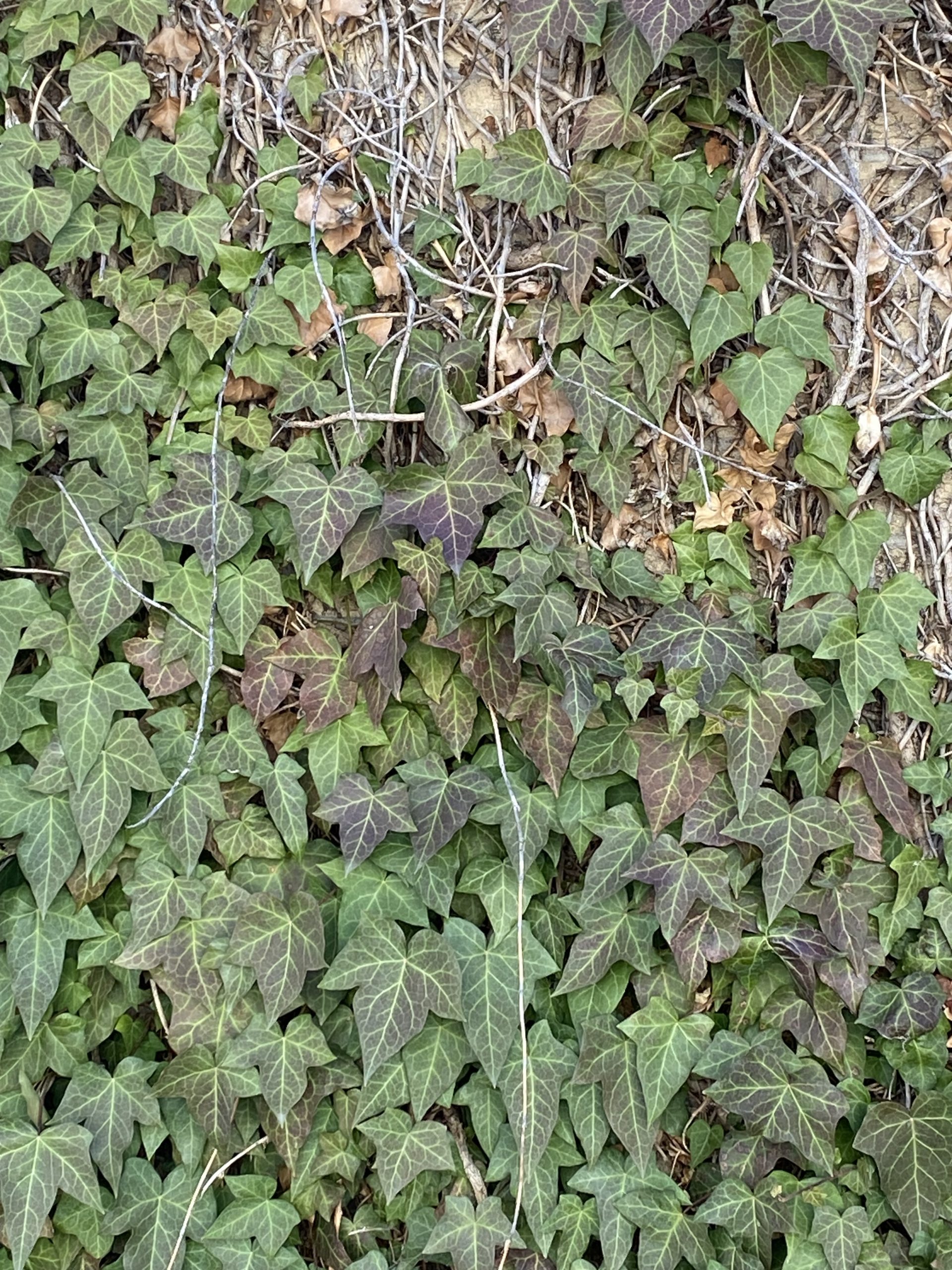

“Steadily climbing for generations, common ivy provides my home with walls of living, timeless art.”Common Ivy, known botanically as Hedera helix, originated across a broad geographical range encompassing Europe, Western Asia, and Northern Africa. In these native regions, it evolved as a resilient evergreen climber that plays a crucial ecological role by providing nectar for pollinators during the late autumn and energy-rich berries for birds in the winter. Its historical significance is rooted in ancient cultures, such as in Greece where it was associated with Dionysus and symbolized immortality and fidelity due to its ability to remain green throughout the harshest months of the year.
The plant’s growth habit is defined by two distinct biological phases and a unique climbing mechanism. Unlike many vines that use twining tendrils, common ivy utilizes adventitious roots along its stems to anchor itself to surfaces. These roots secrete a specialized adhesive that allows the plant to scale vertical rock faces and trees. In its juvenile stage, the plant exhibits the iconic lobed leaf shape and focuses on rapid horizontal or vertical expansion. Upon reaching a certain maturity and light intensity, it transitions to an adult stage, characterized by unlobed, heart-shaped leaves and the production of flowers and fruit.
Cultivation of common ivy is straightforward due to its remarkable adaptability to various environmental conditions. It is particularly valued for its ability to thrive in deep shade where other ground covers might fail, though it remains hardy enough to withstand temperatures as low as -20°C. While it prefers moist and well-drained soil, it can tolerate a wide variety of soil pH levels and textures. However, because of its vigorous growth and efficient seed dispersal by birds, it is managed carefully in many parts of the world where it is not native to prevent it from overwhelming local ecosystems and native flora. Cheers

 By
By