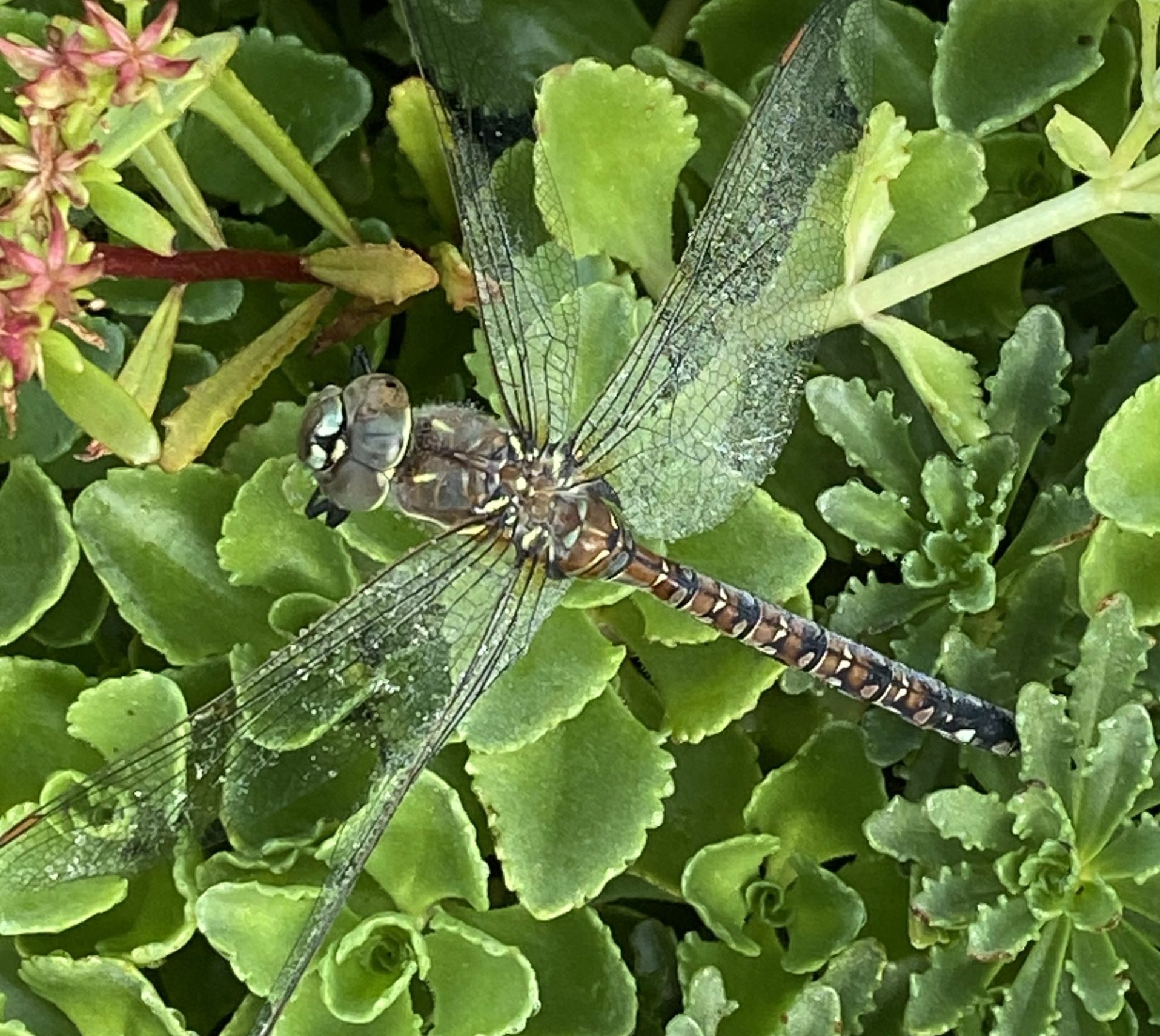

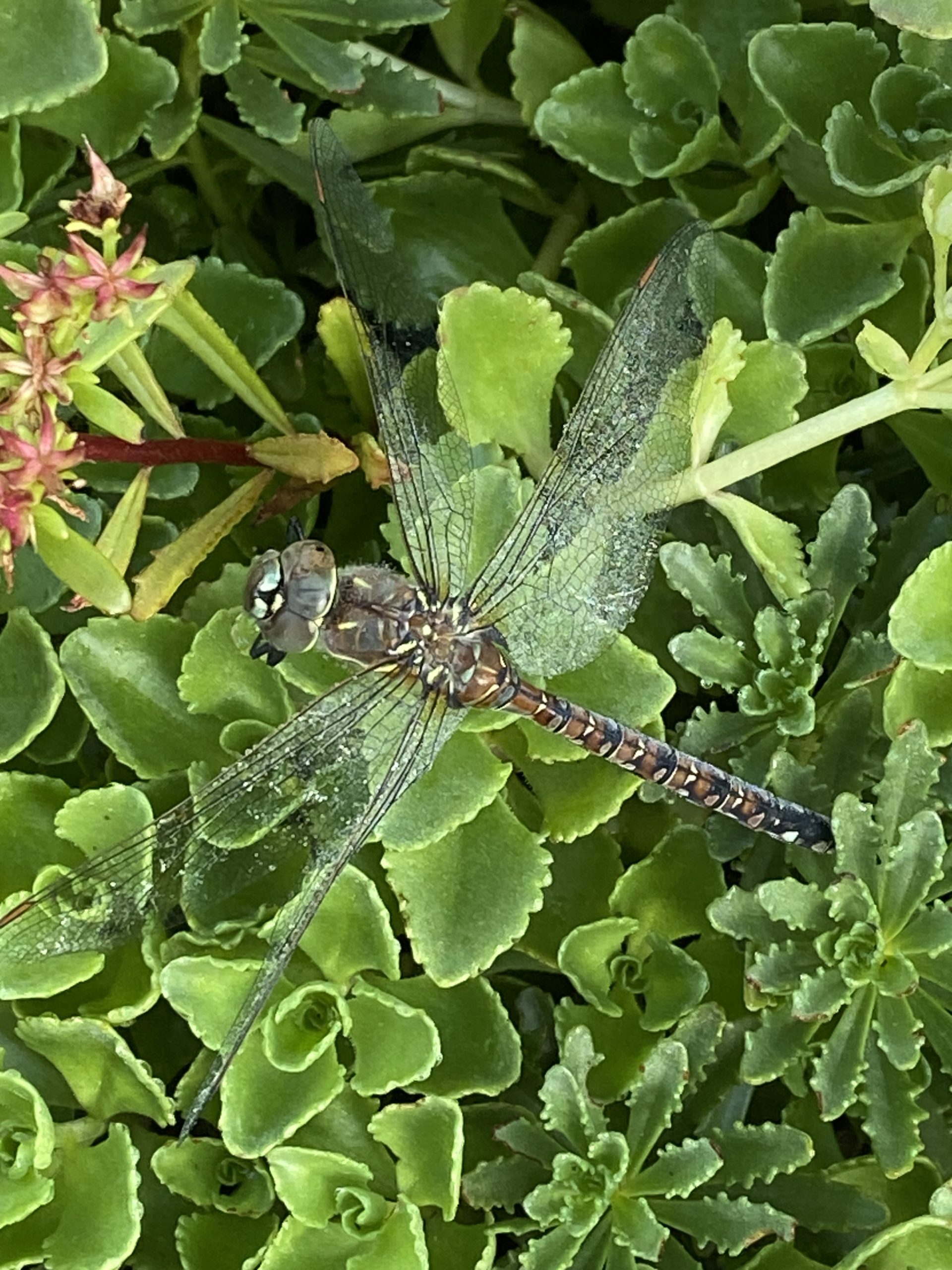
Dragonflies are an ancient group of insects with a history stretching back over 300 million years, predating even the dinosaurs. Their ancestors, the “griffinflies” or Meganisoptera, included some of the largest insects to ever live, with wingspans of up to 30 inches. These early forms thrived in a world with higher atmospheric oxygen levels.
Today, dragonflies are found on every continent except Antarctica and are strongly tied to freshwater habitats. They spend the majority of their lives in the water as aquatic nymphs (also called larvae or naiads). These nymphs are voracious predators, living amongst rocks, plants, and mud in streams, rivers, ponds, lakes, and wetlands. They prefer still or slow-moving water and require clean, unpolluted conditions, making them excellent indicators of environmental health.
Once they emerge as winged adults, dragonflies remain closely associated with water bodies. They are often seen flying over canals, rivers, ponds, and lakes, and also utilize surrounding areas like woodlands, fields, and gardens for hunting and roosting. Ideal adult habitats offer sunlight for warming their bodies, perching sites on plants or rocks, and nearby vegetation for shelter from wind and predators. They need a continuous supply of flying insect prey, like mosquitoes, which they expertly catch in mid-air. Cheers


 By
By