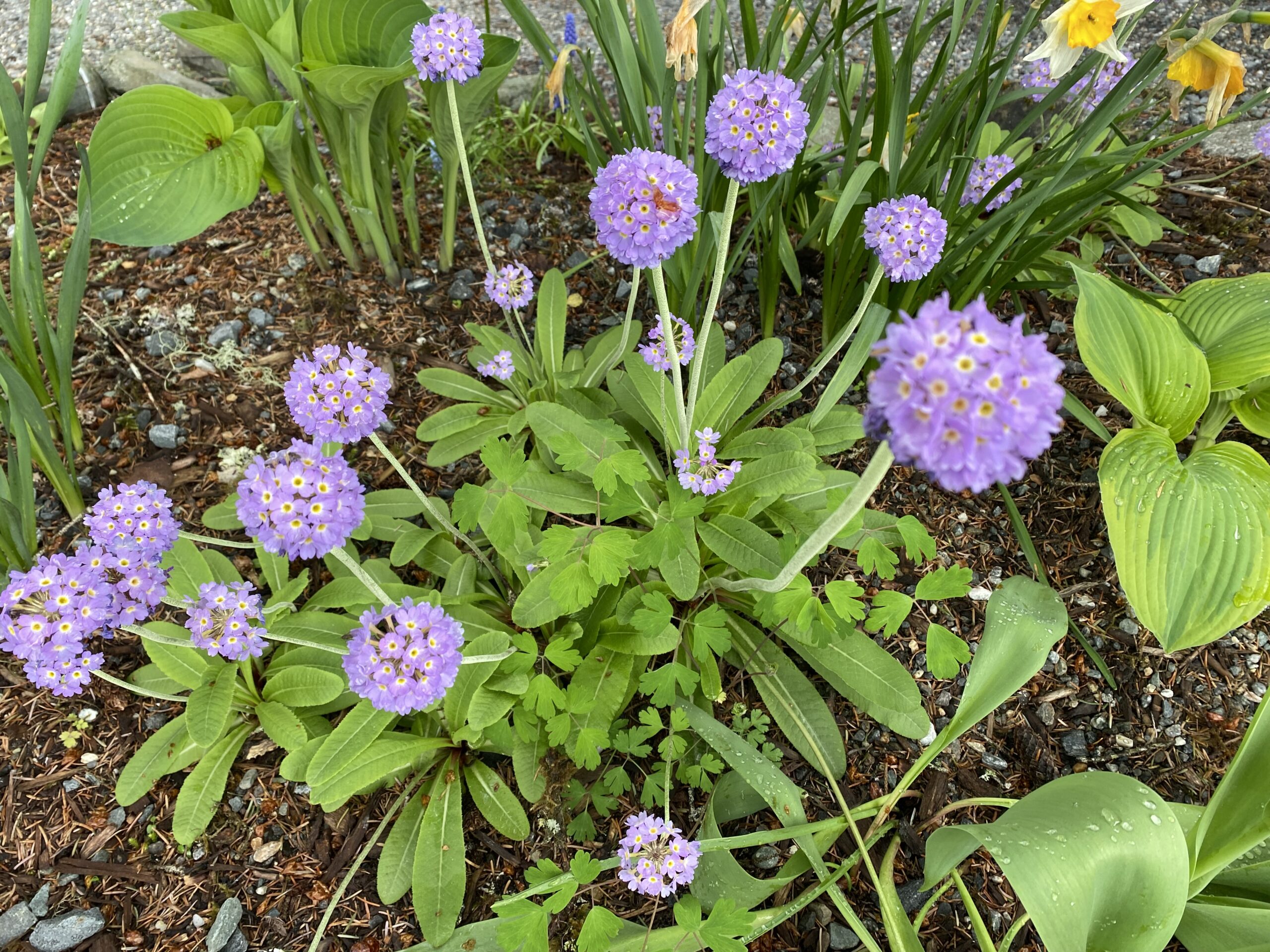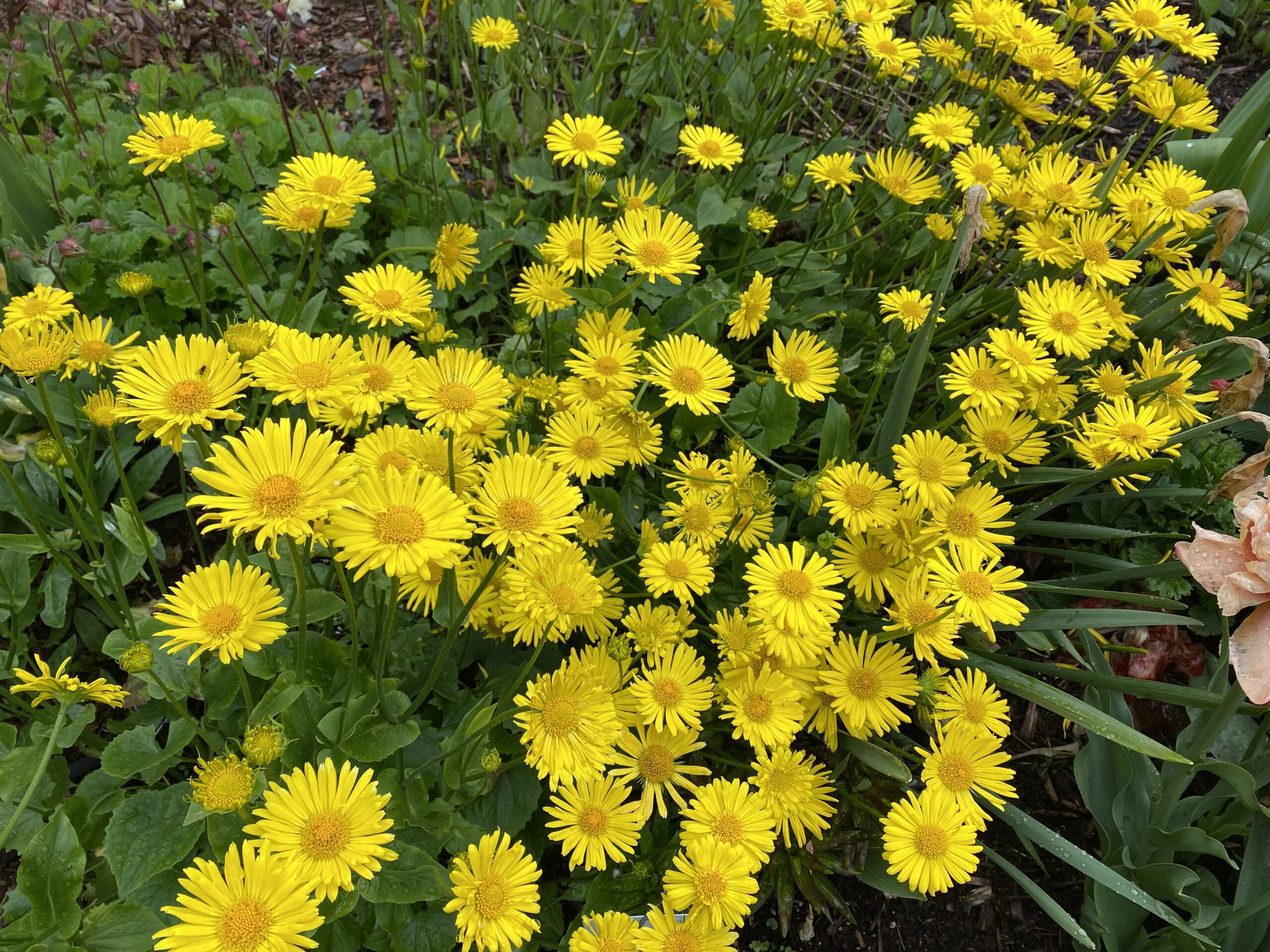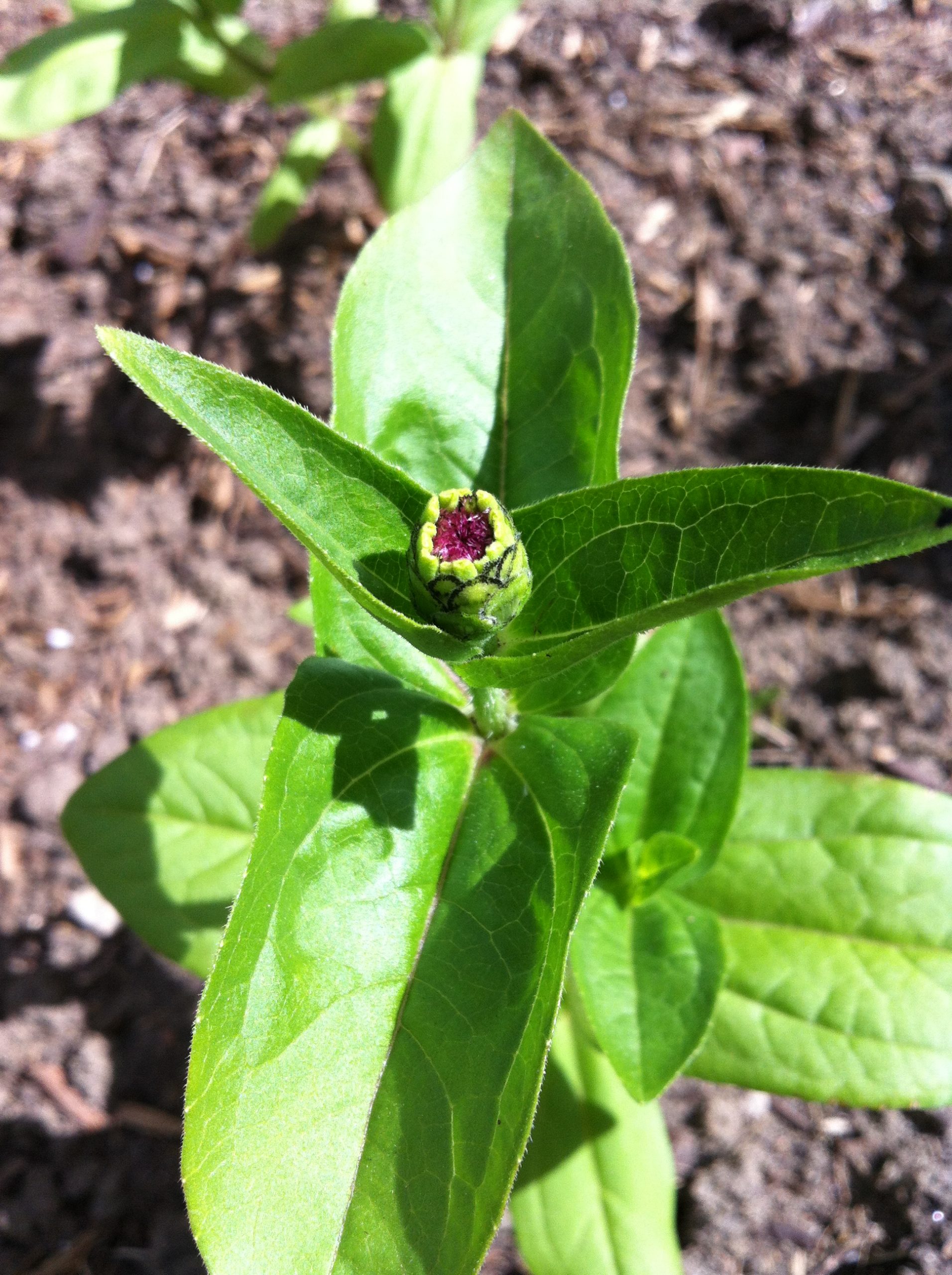
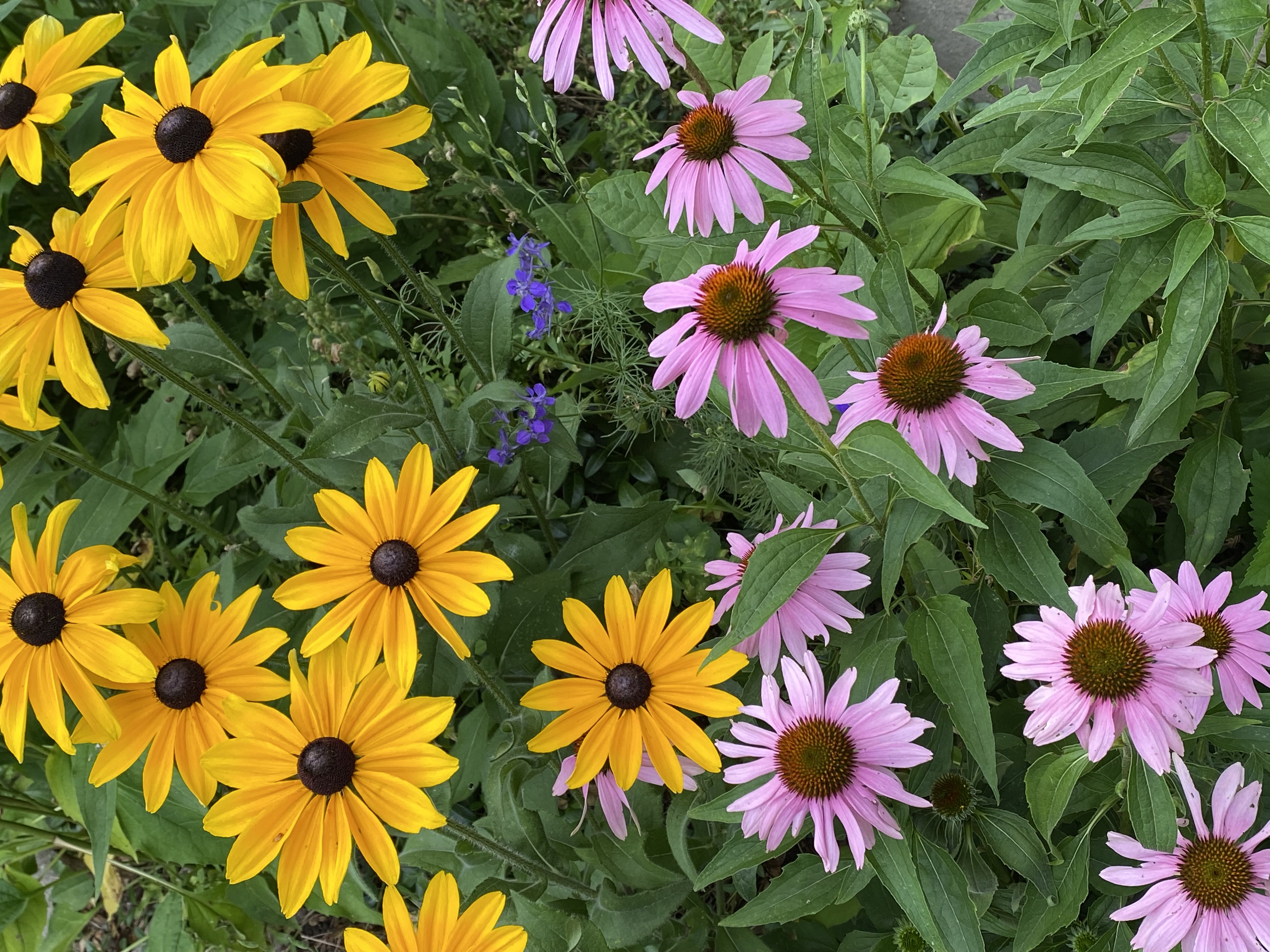
Rudbeckia, Echinacea, and Salvia are all hardy perennials that can provide a reliable display of flowers every season. Rudbeckia, commonly known as Black-Eyed Susans, are native to North America and are known for their bright yellow petals and dark center disks. They thrive in full sun and prefer well-drained soils, although they are quite adaptable and can tolerate moderate drought. Echinacea, or coneflowers, are also native to North America and have been used for centuries by indigenous peoples for their medicinal properties. These plants prefer full sun and well-drained soils but can also tolerate poor soil conditions. They are loved for their vibrant flowers and their ability to attract pollinators like butterflies and bees. Salvia, with nearly 1000 species, is native to various regions including Central America, Eastern Asia, and the Mediterranean. They are known for their aromatic leaves and colorful, tubular flowers. Salvia plants are versatile and can grow in a range of conditions, though they generally prefer sunny locations and well-draining soil. Cultivating these plants involves planting in areas with adequate sunlight, providing sufficient water until they are established, and ensuring good soil drainage to prevent root rot. With proper care, these perennials can become a long-lasting part of any garden. Cheers
 By
By