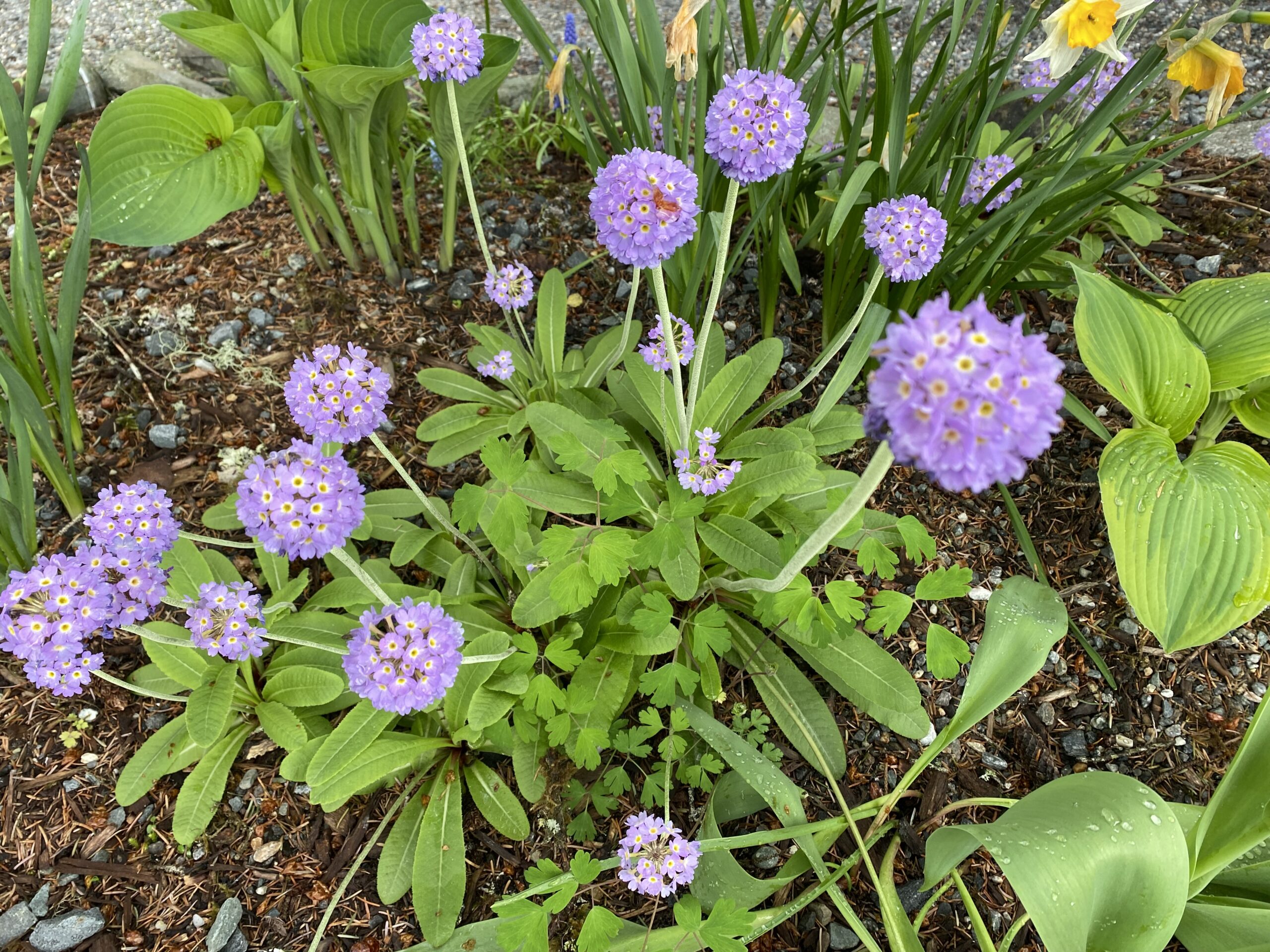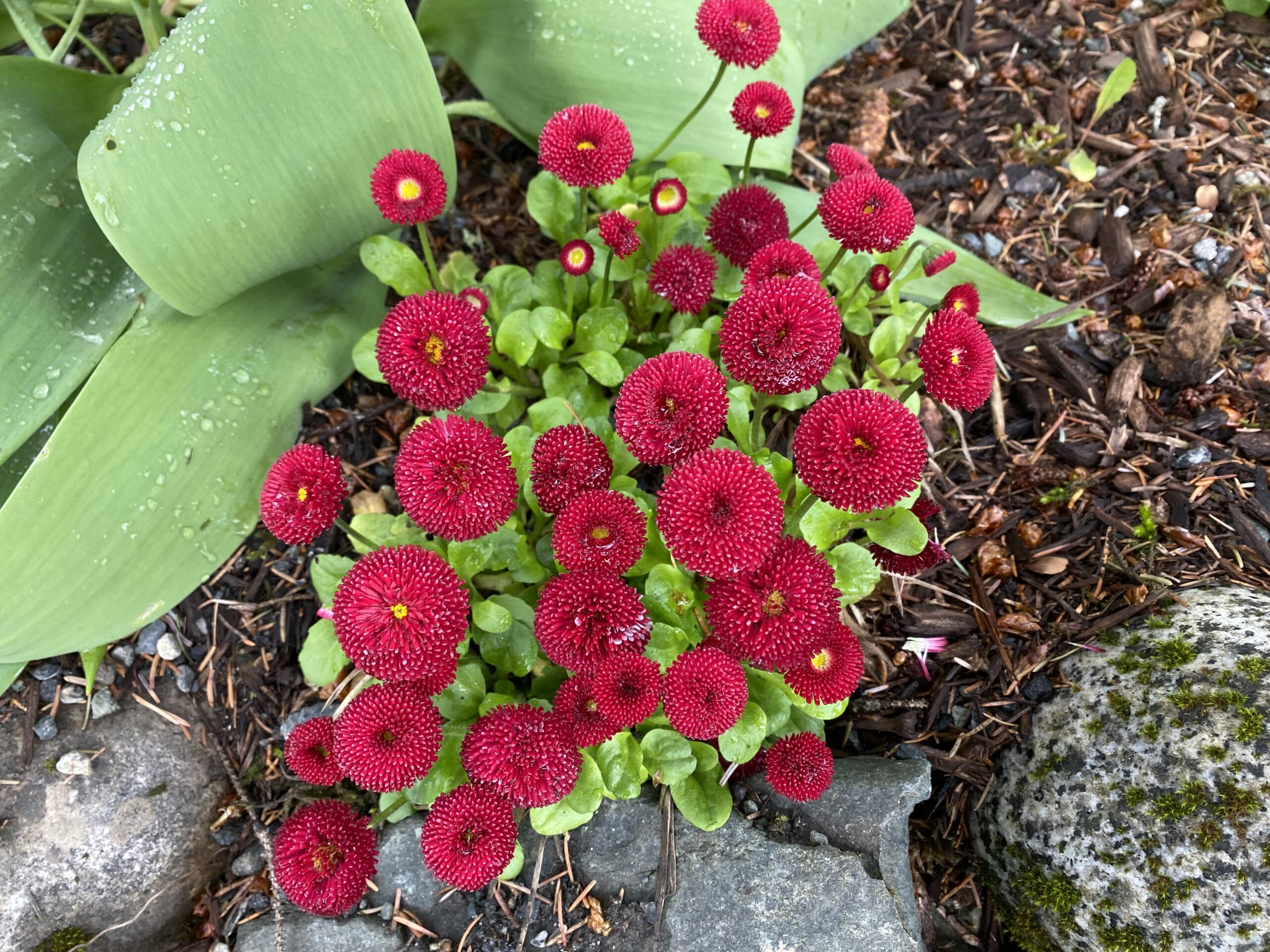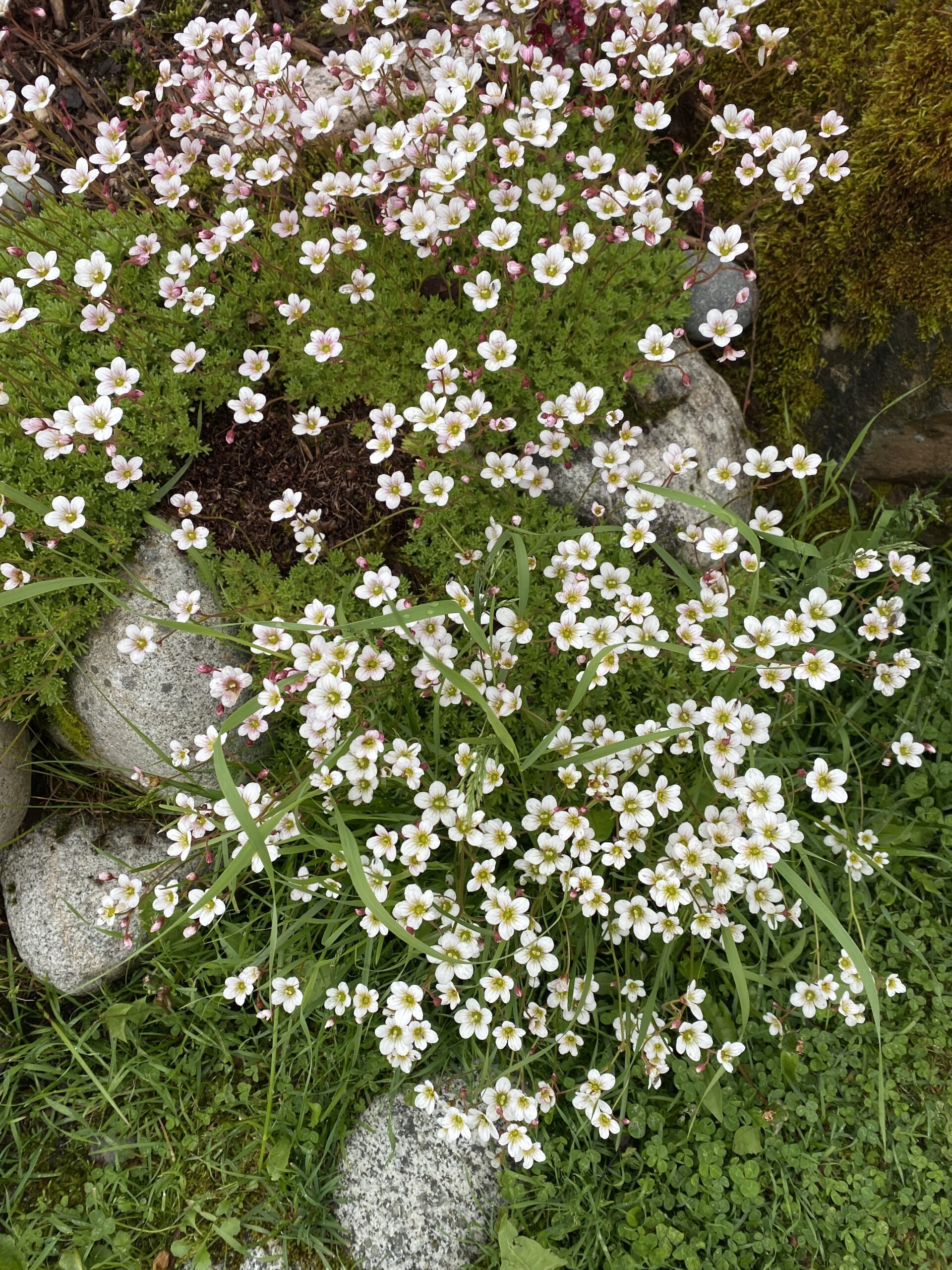
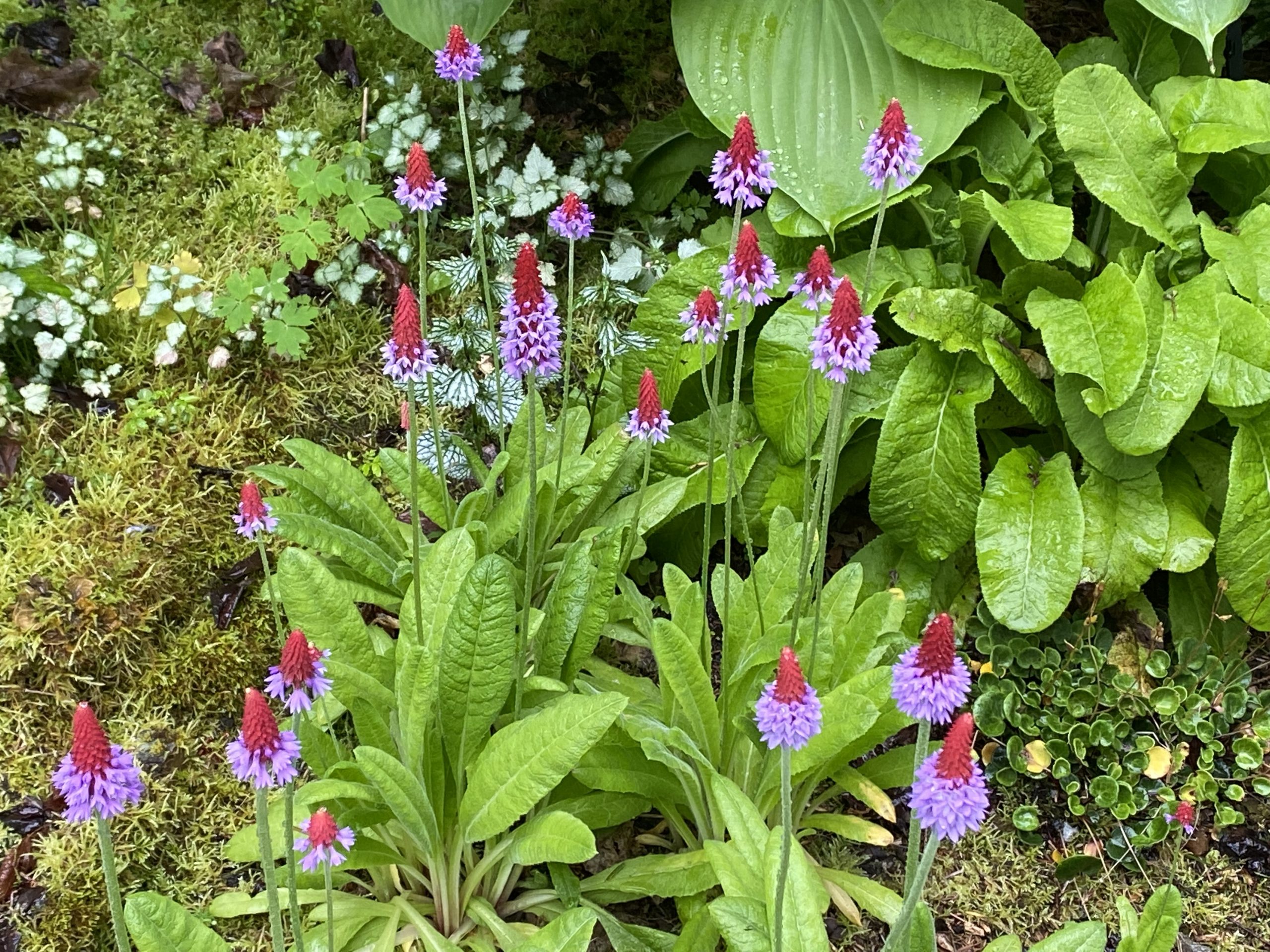
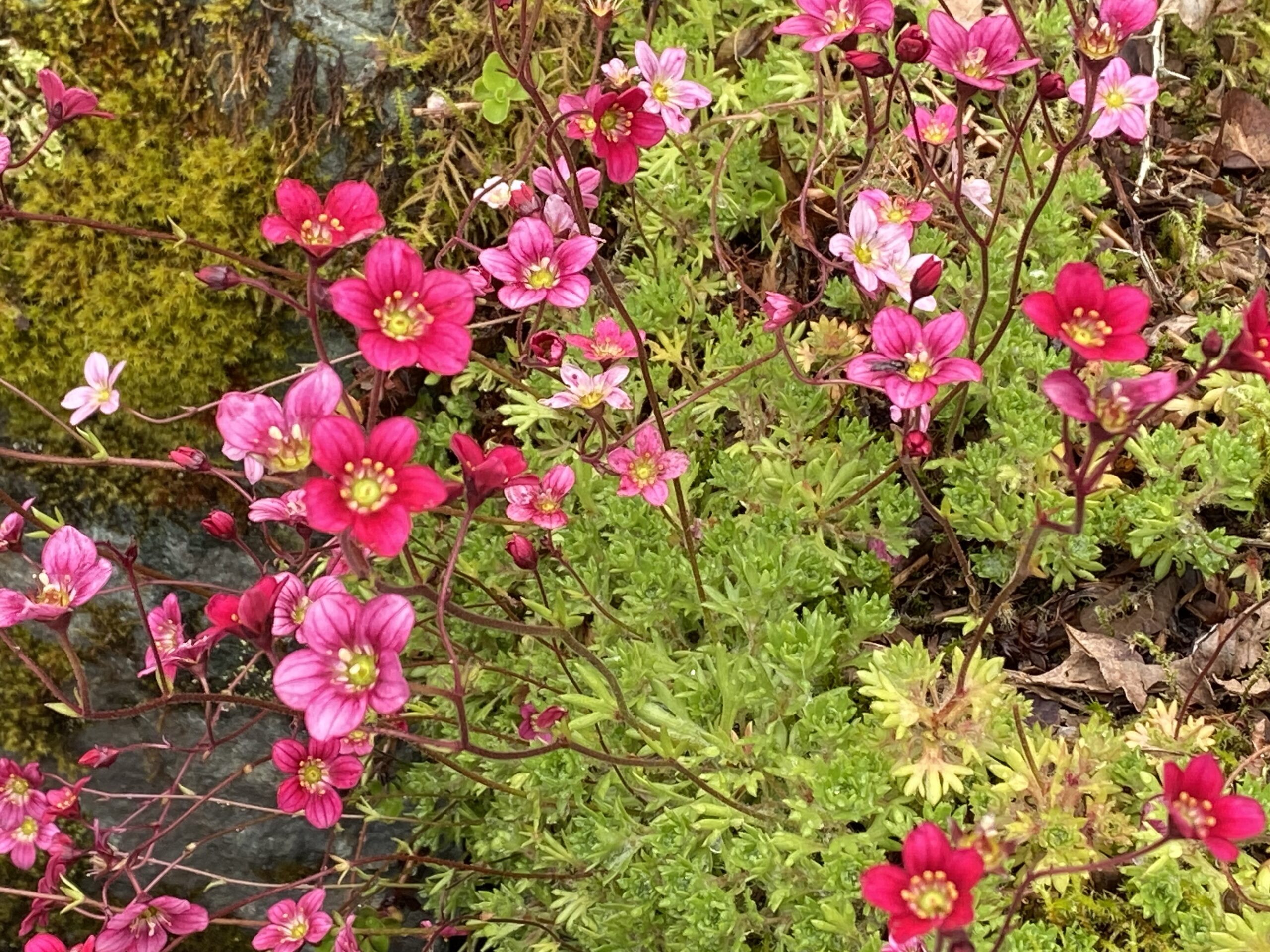
The primrose is a perennial flower that has a long and storied history, native to Europe and western Asia. Its name comes from the Latin word “primus,” meaning “first,” as it is one of the earliest flowers to bloom in the spring. There are over 400 species of primrose, with flowers appearing in a wide array of colors, from the common yellow to pink, red, white, and purple.
Historically, primroses have been featured in folklore and literature, including the works of Shakespeare. In English folklore, they were known as “fairy cups,” with the belief that eating a primrose would allow one to see a fairy. They were also used for their purported medicinal properties and were a favorite of Queen Victoria.
For cultivation, primroses are generally low-maintenance plants that thrive in cool, moist, and shady environments, which is why they are often found in woodland gardens. They are best planted in the fall or early spring in a location that receives morning sun and afternoon shade. The soil should be well-draining, rich in organic matter, and slightly acidic. Primroses require consistent moisture but are susceptible to root rot if the soil is waterlogged. They are hardy in USDA zones 3 to 8, but in hotter climates, they may need extra care to stay cool and moist, or they may be treated as annuals. Cheers
 By
By