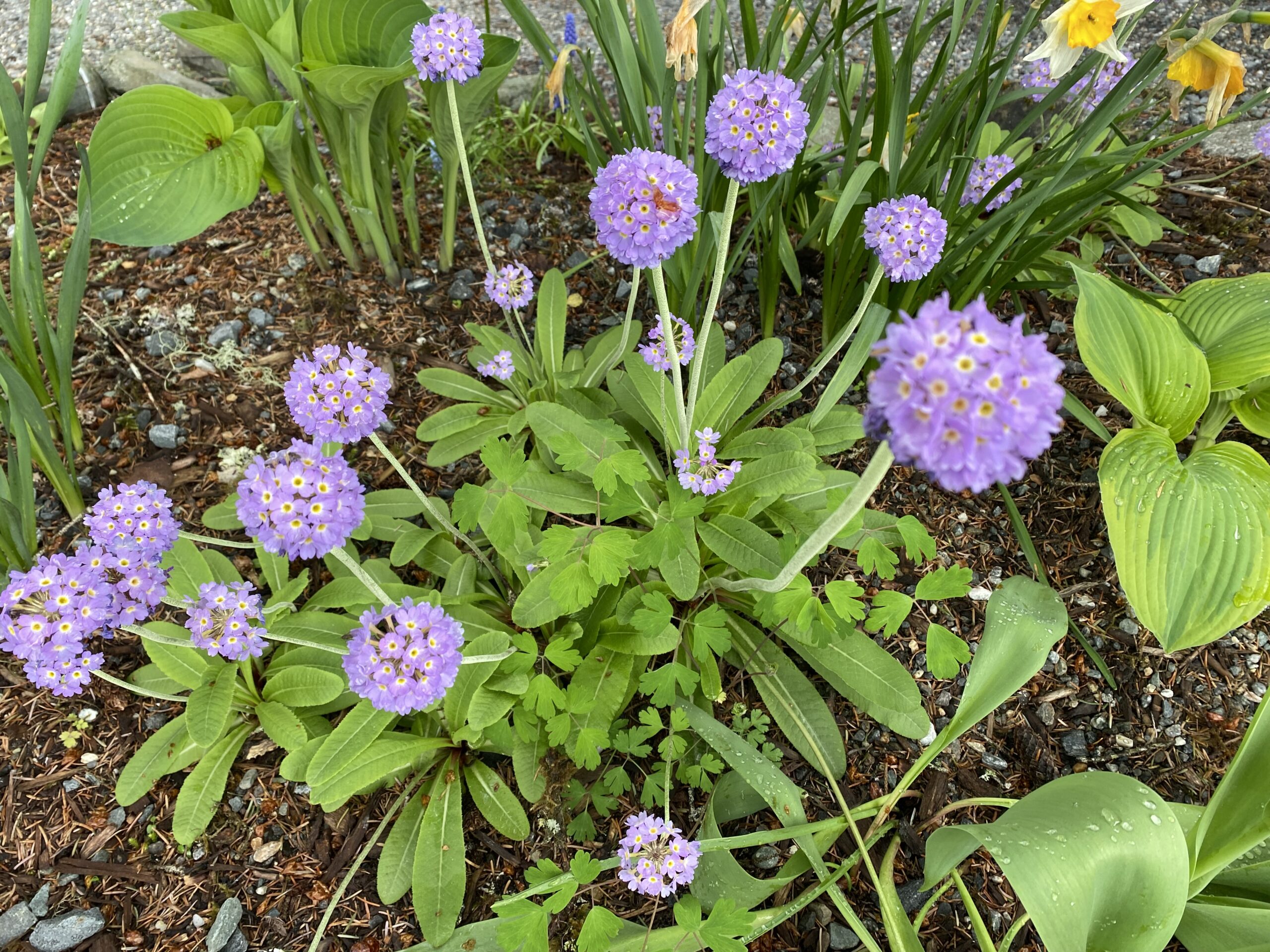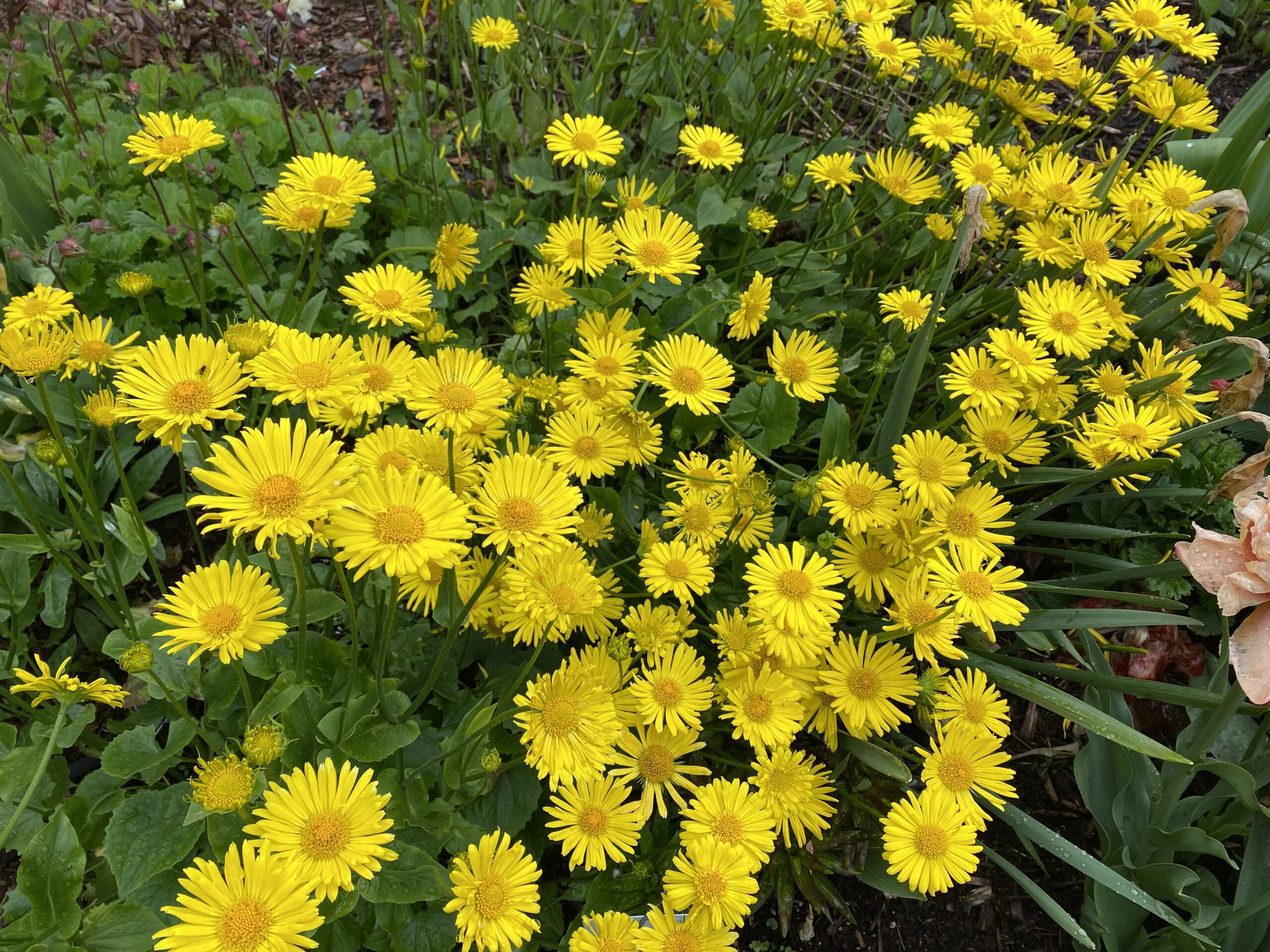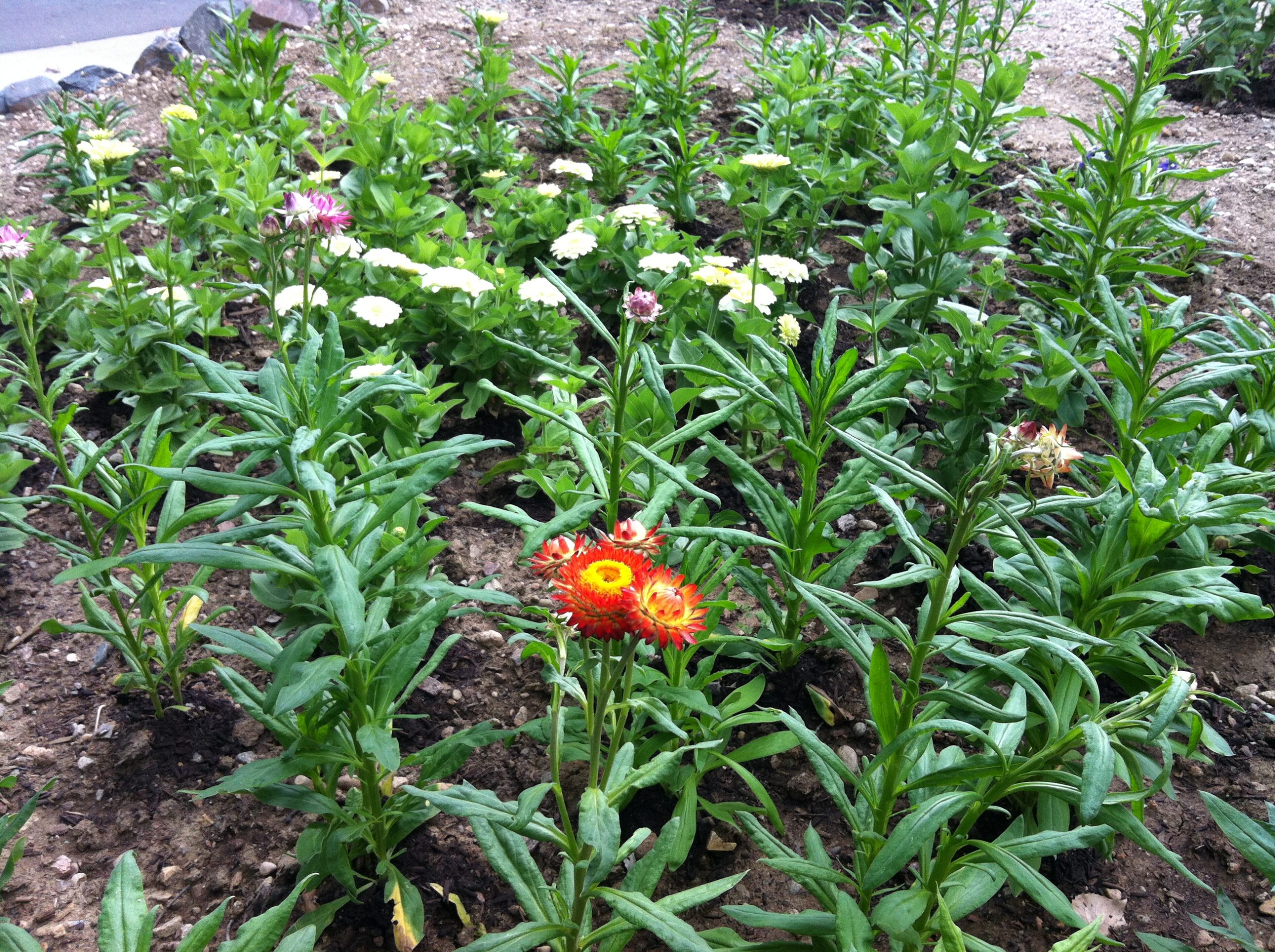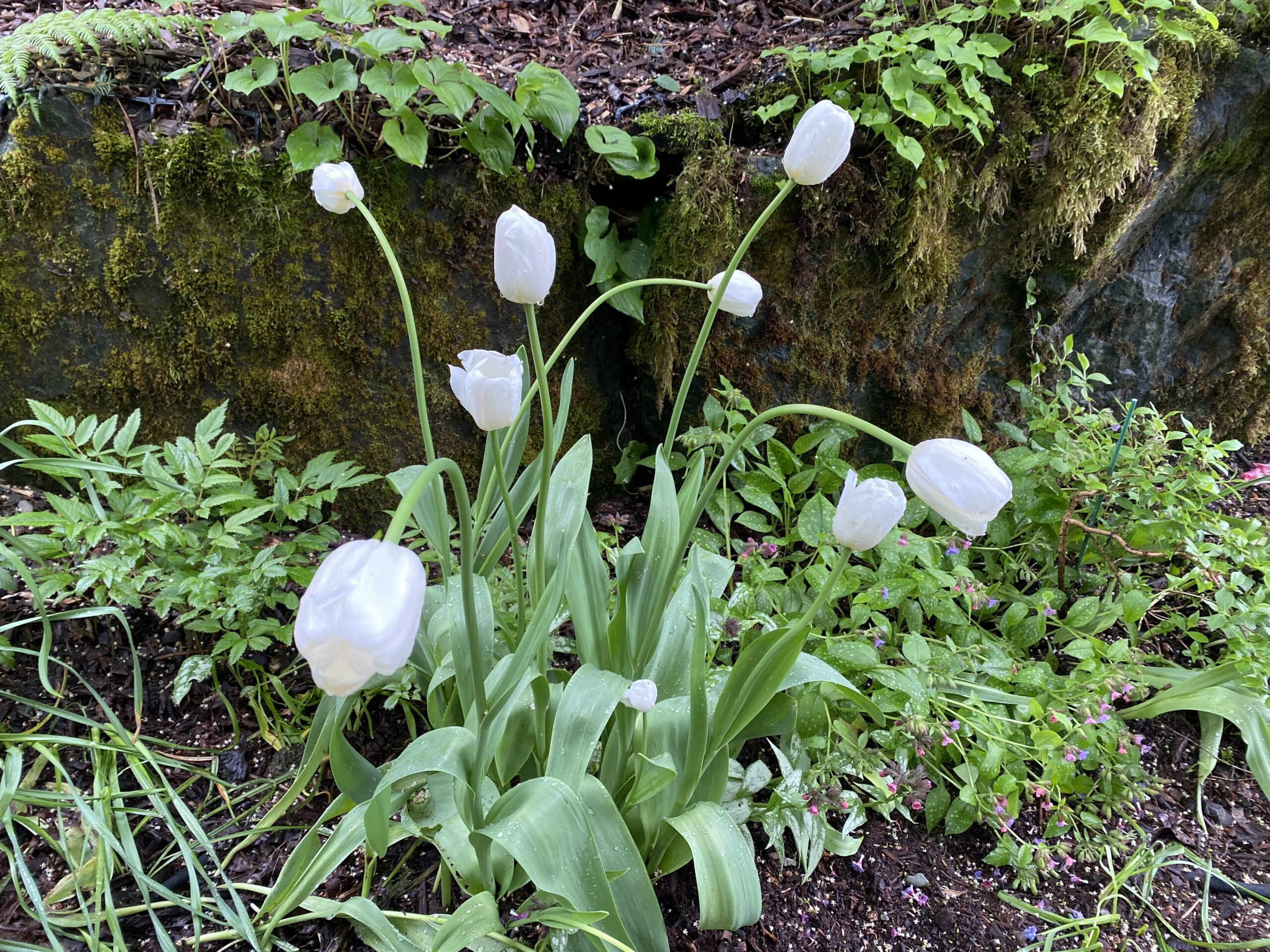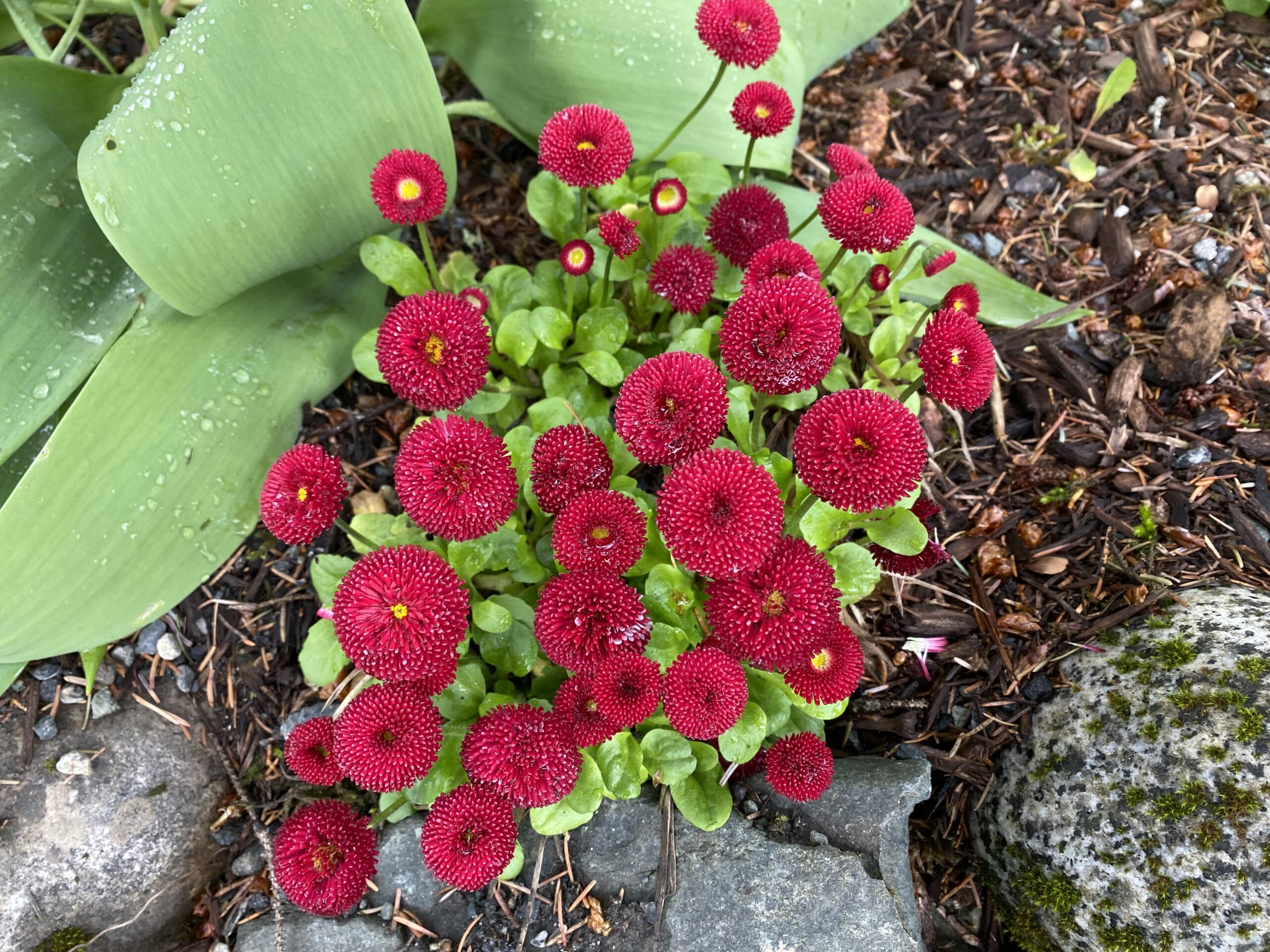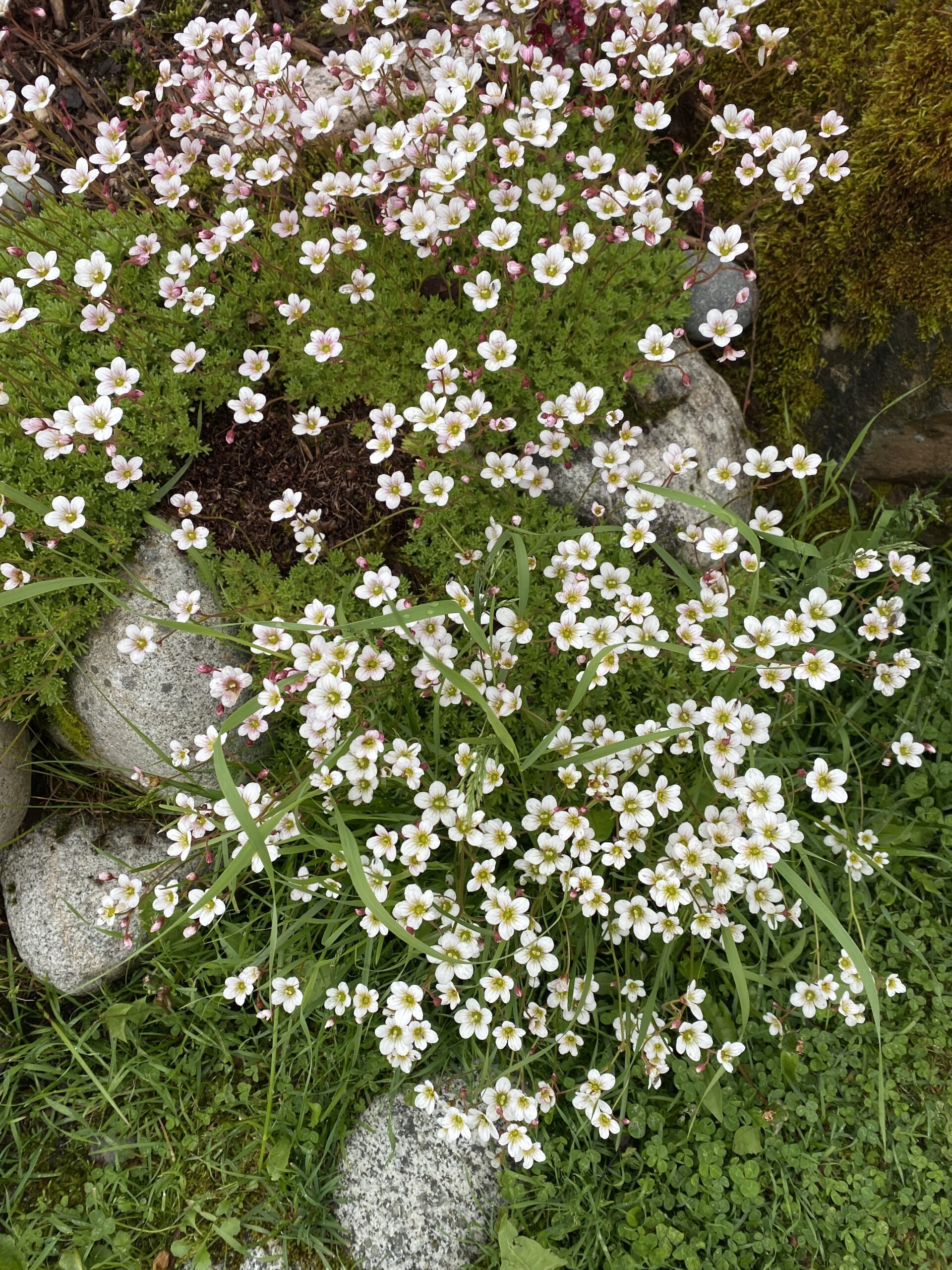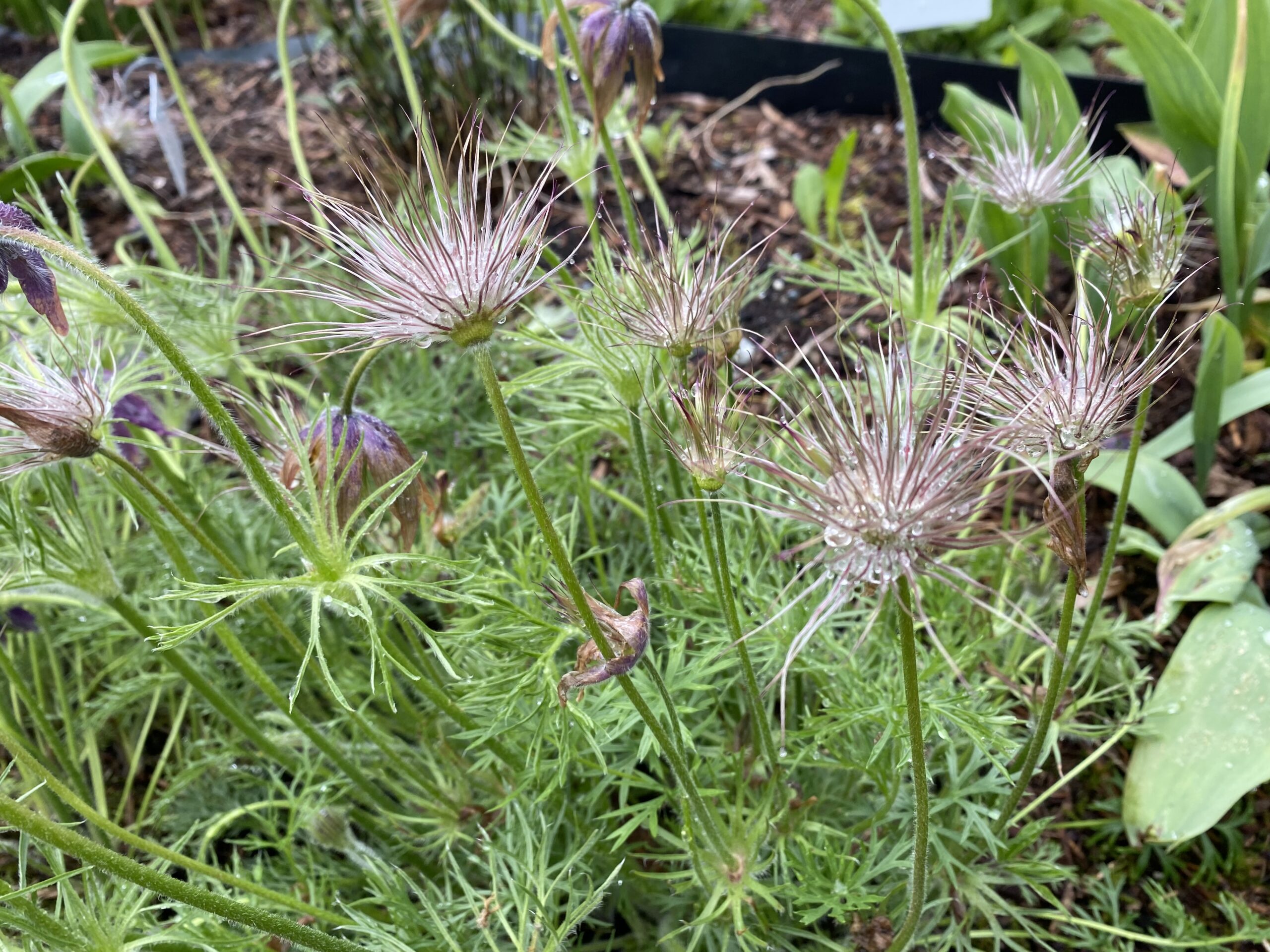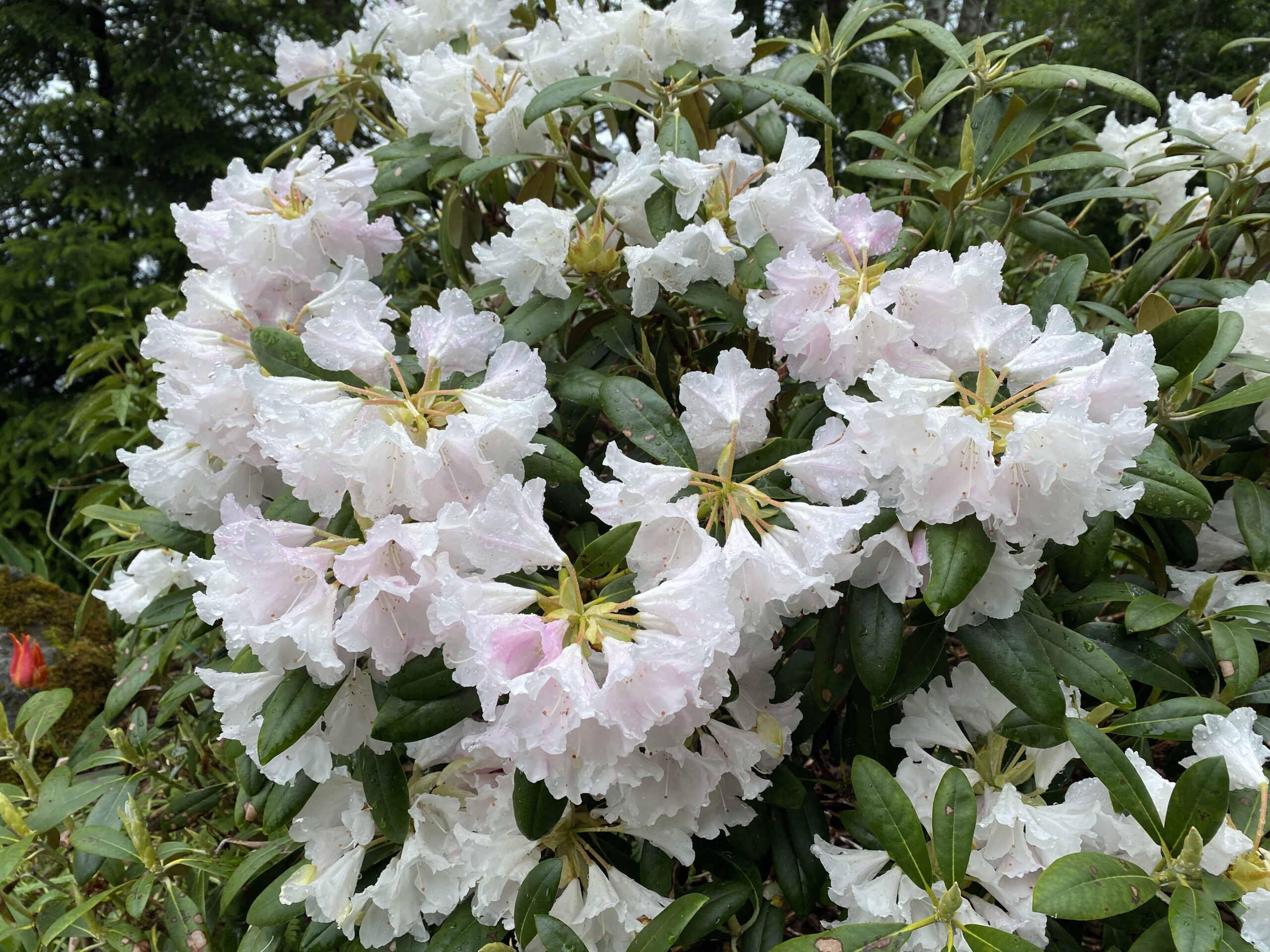
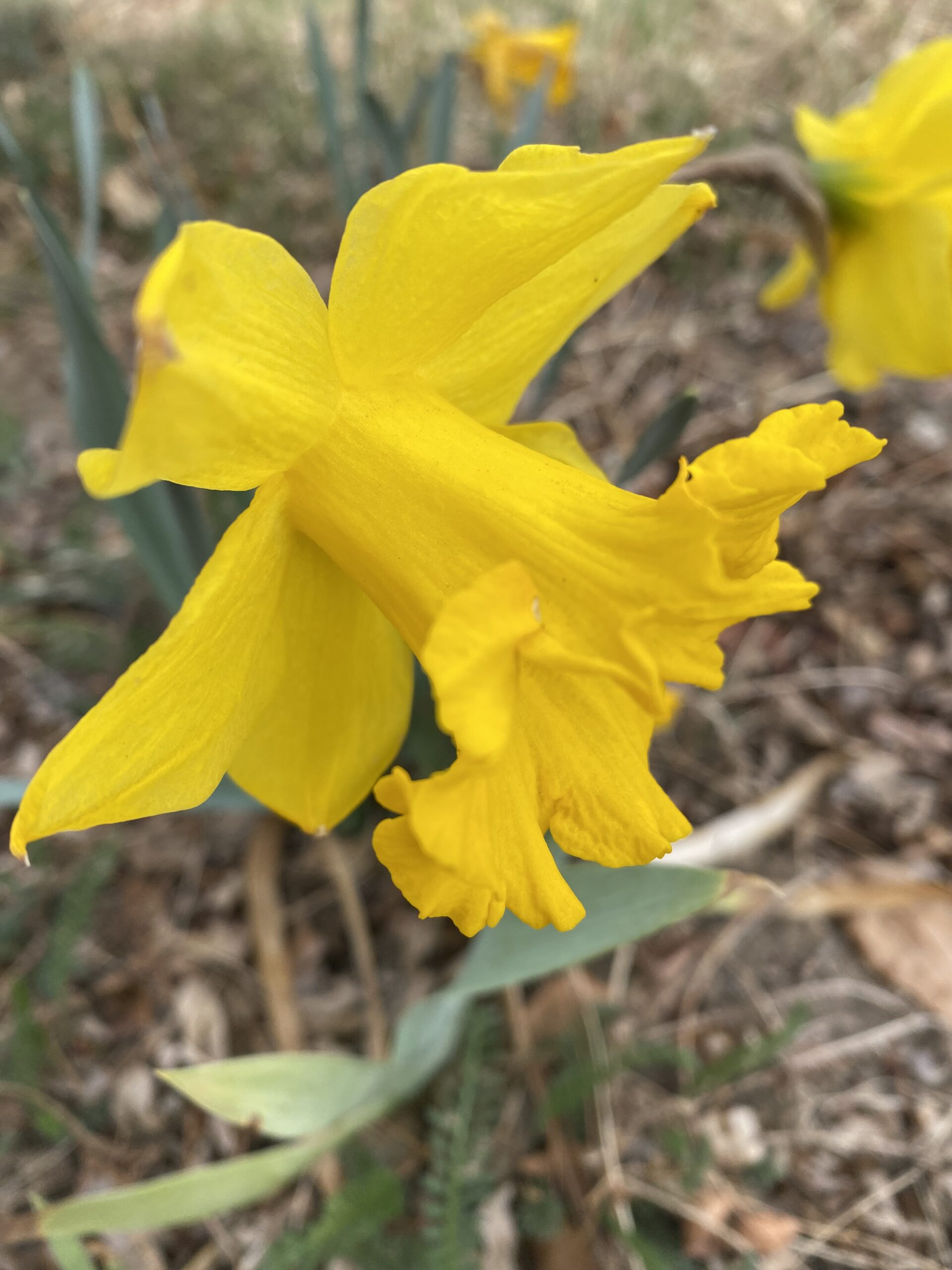
Spring serves as nature’s grand reopening, where a biological sequence of blooming brings life back to the landscape after a period of winter dormancy. Most of these early arrivals are geophytes, utilizing energy stored in underground bulbs to grow rapidly as soil temperatures rise and daylight increases. This process begins with resilient pioneers like snowdrops and crocuses, eventually giving way to the mid-season peak of tulips and cherry blossoms, before transitioning into the lush scents of lilacs and peonies. This rapid growth is a strategic survival tactic, allowing many species to capture sunlight before the forest canopy closes and providing a vital first meal for emerging pollinators. Cheers
Light Mode
Dark Mode
Search The Query
 By
By