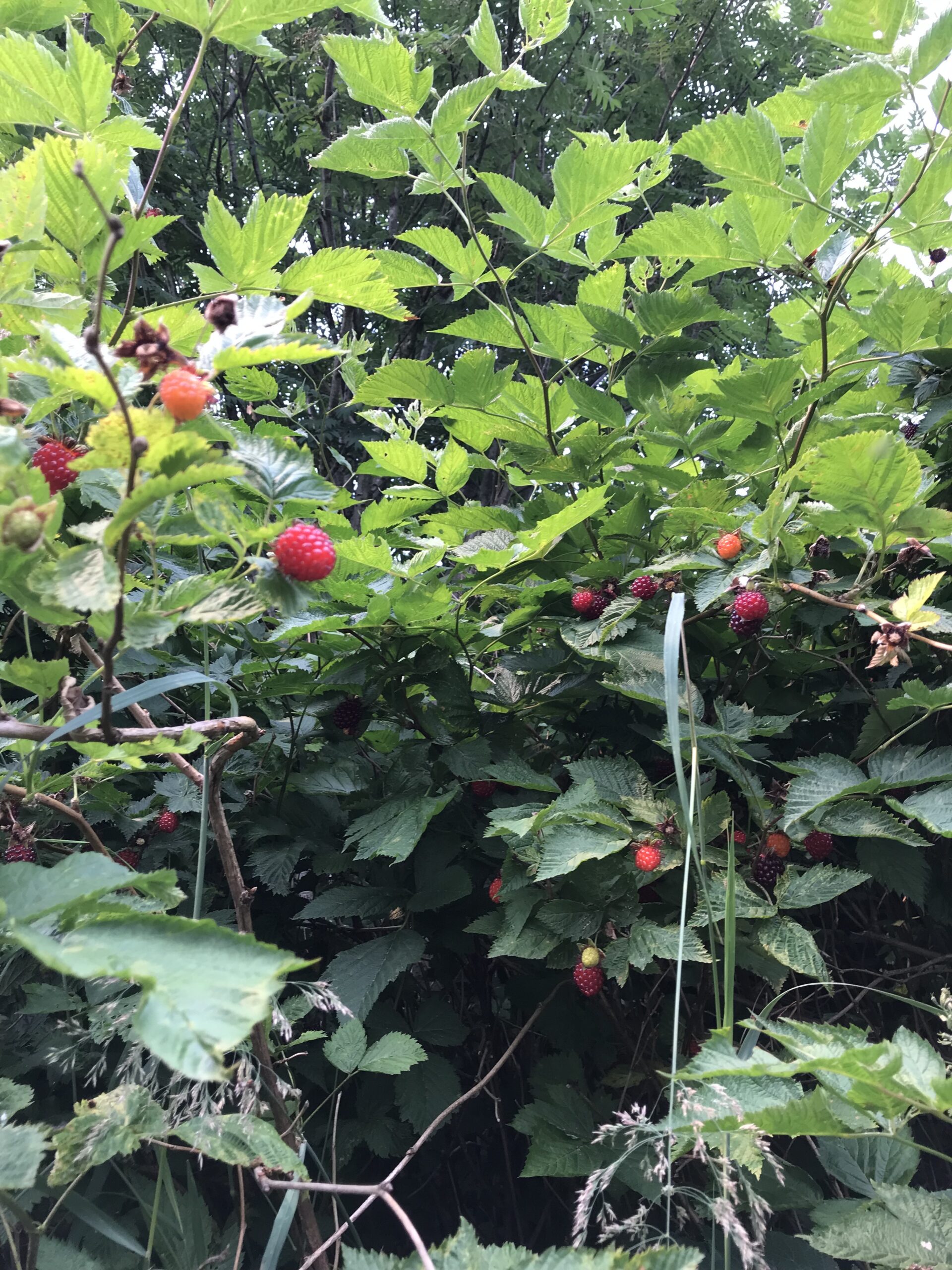
Salmonberries, or Rubus spectabilis, are native to the west coast of North America, ranging from the moist coastal forests of Alaska down through California and as far inland as Idaho. Historically, these berries were a vital seasonal food source for many Indigenous coastal communities, who often consumed the sprouts in early spring and the fruit throughout the summer, frequently pairing them with salmon roe. In terms of cultivation, salmonberries thrive in moist, nitrogen-rich soils and are well-suited for USDA hardiness zones 5 through 9. They prefer partial shade to full sun and are often used in naturalized landscapes or edible gardens to stabilize banks and provide habitat for pollinators. While they can be grown from seed, they are most easily propagated through rhizome cuttings or by transplanting suckers, allowing them to establish quickly and produce their signature yellow-to-red raspberry-like fruits.
Light Mode
Dark Mode
Search The Query
 By
By