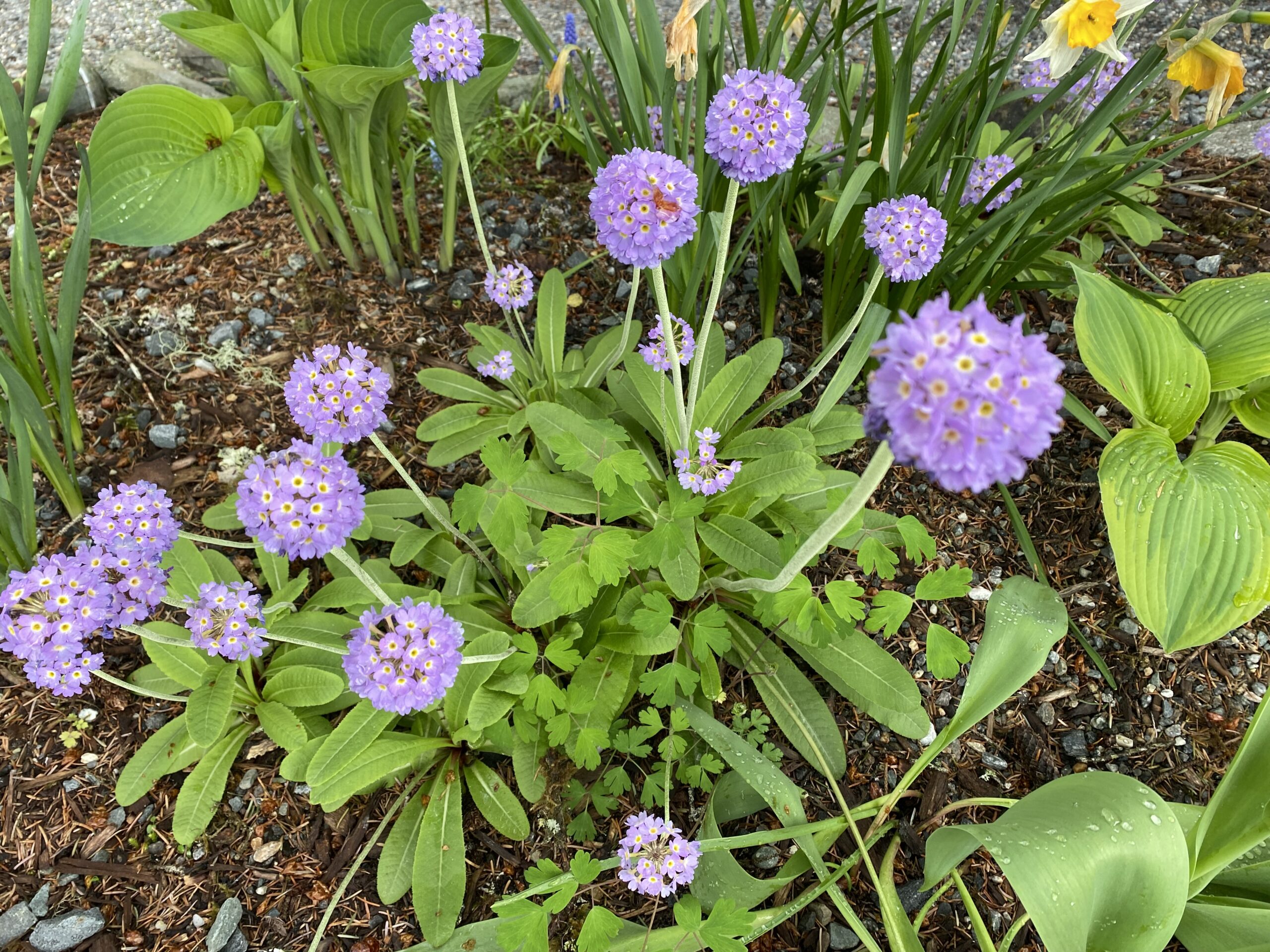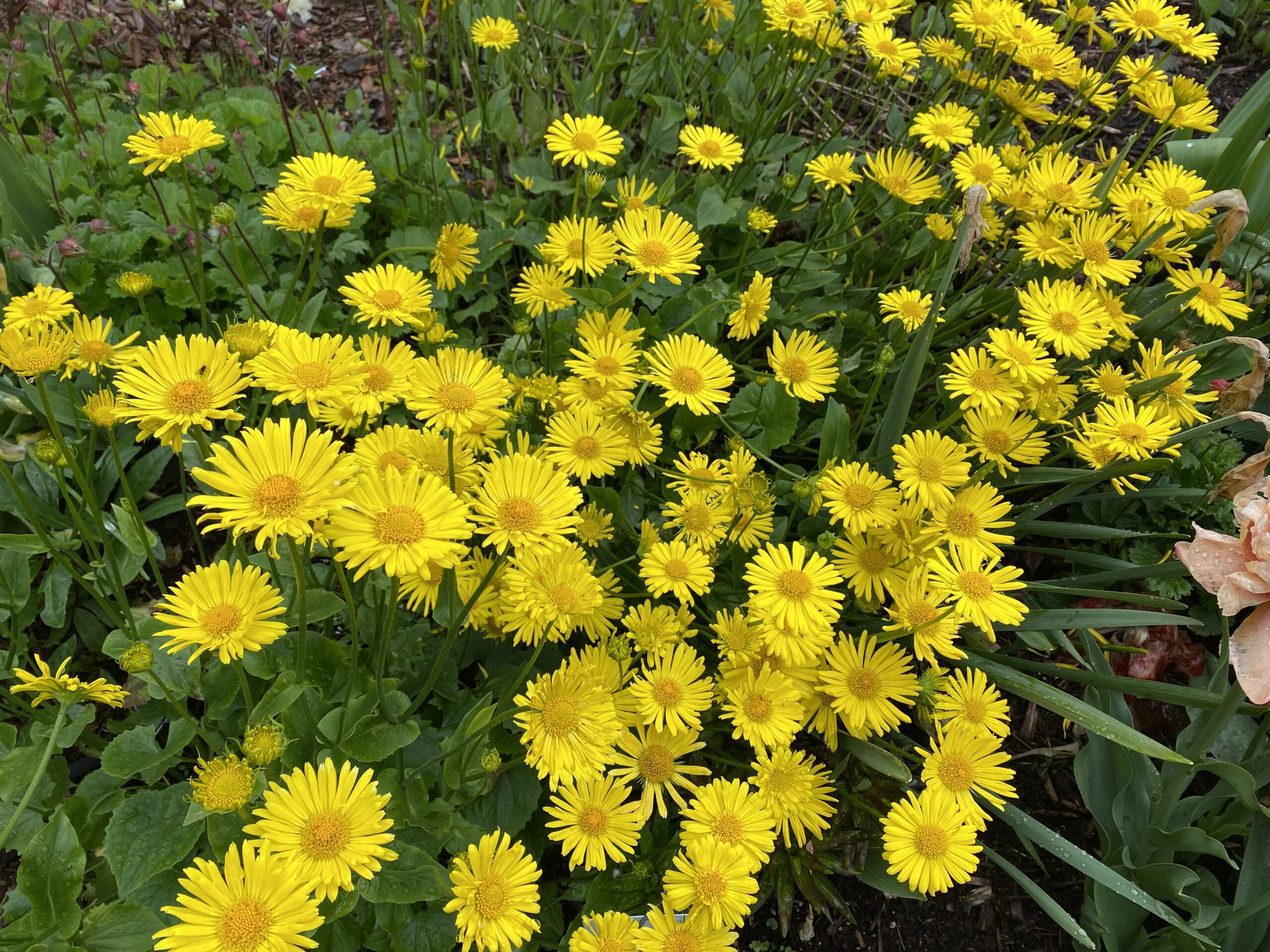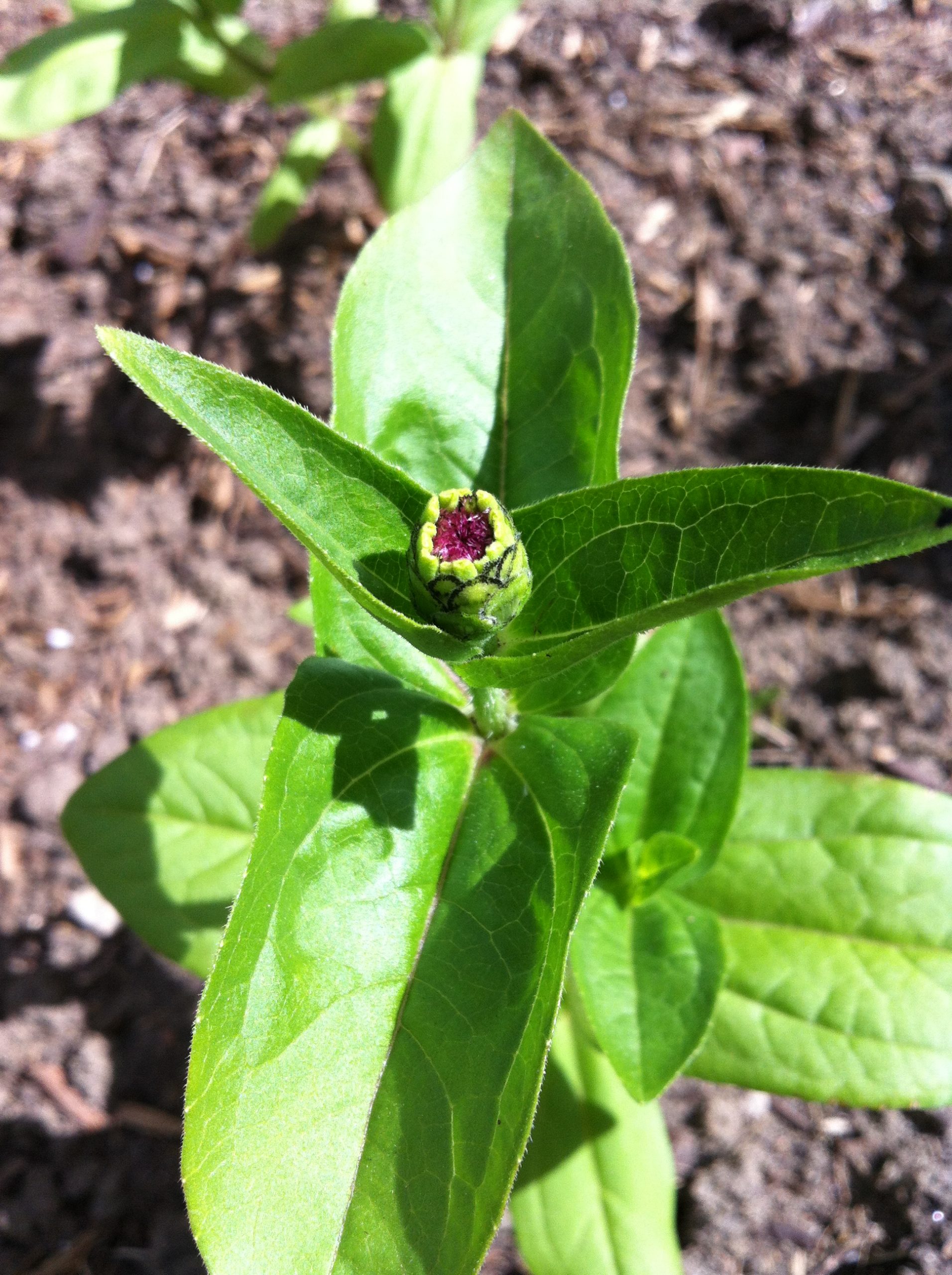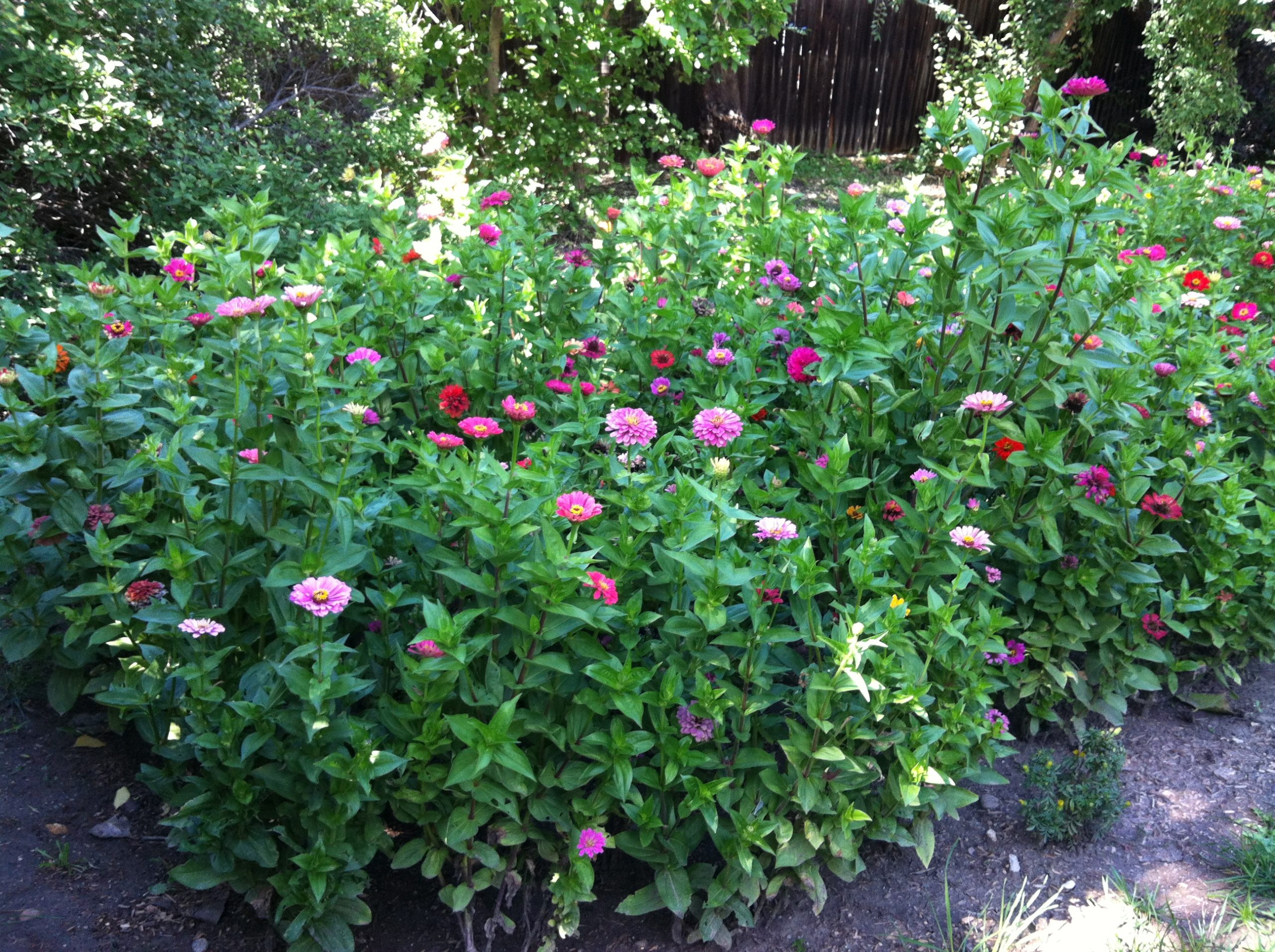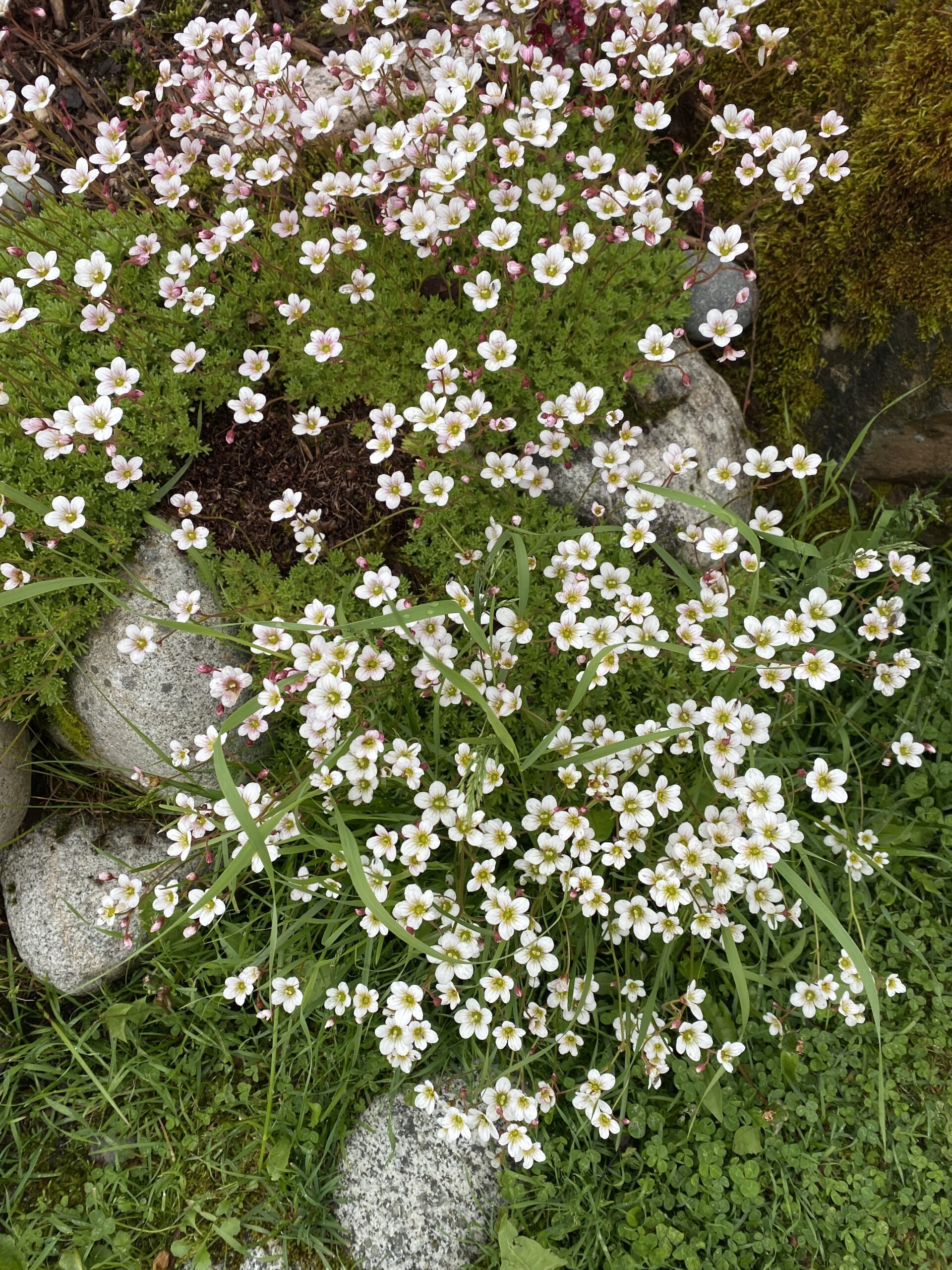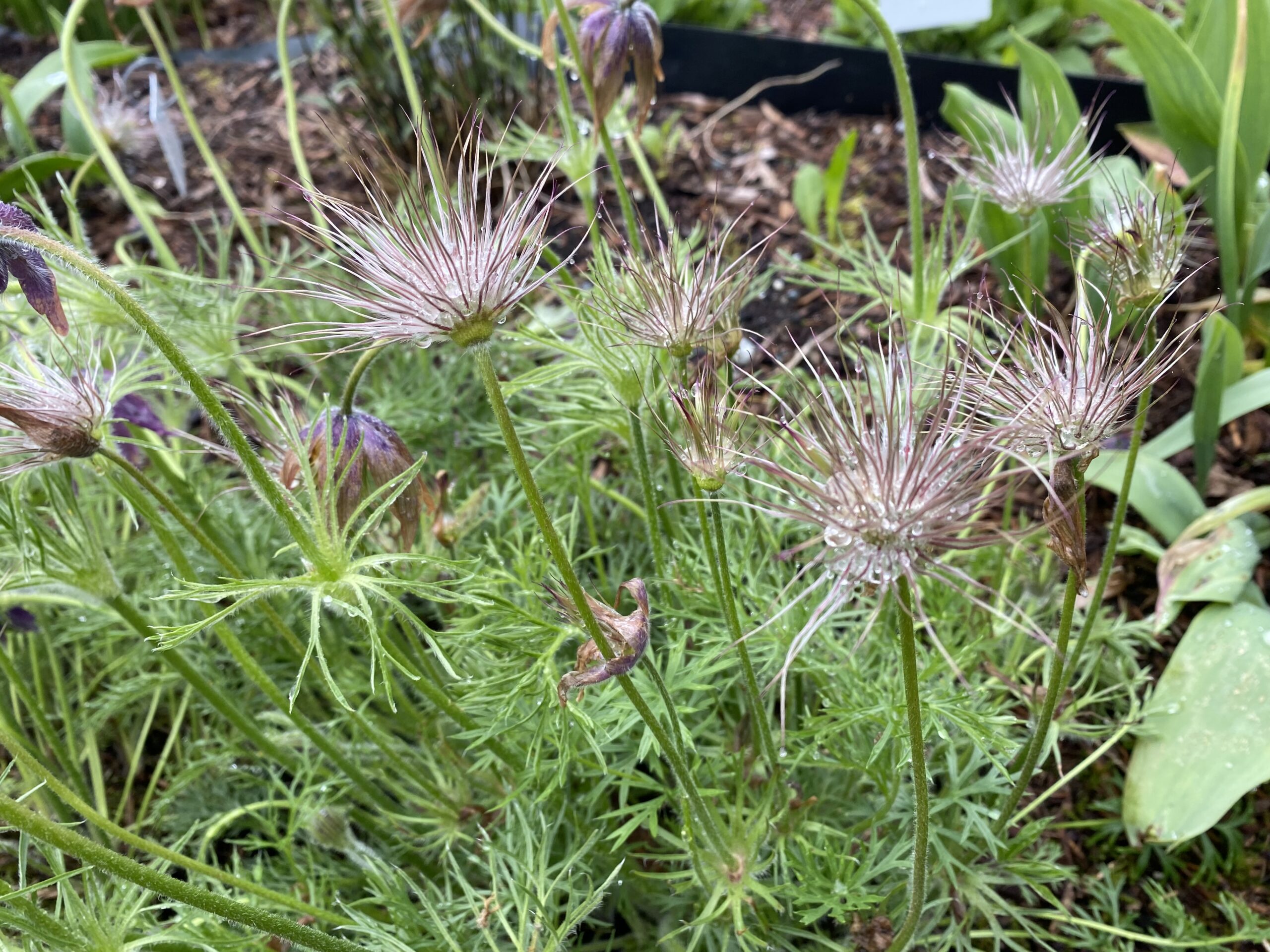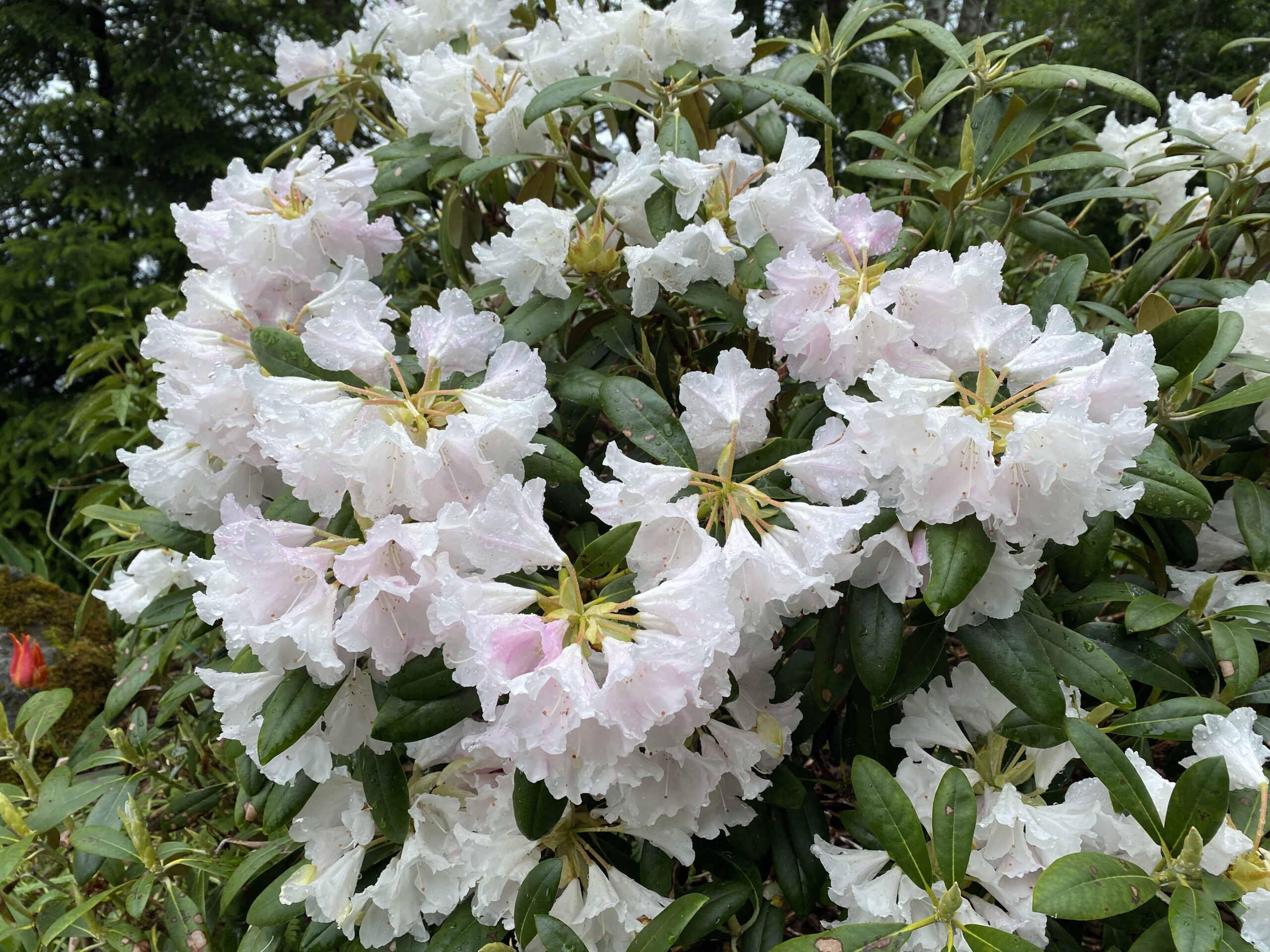
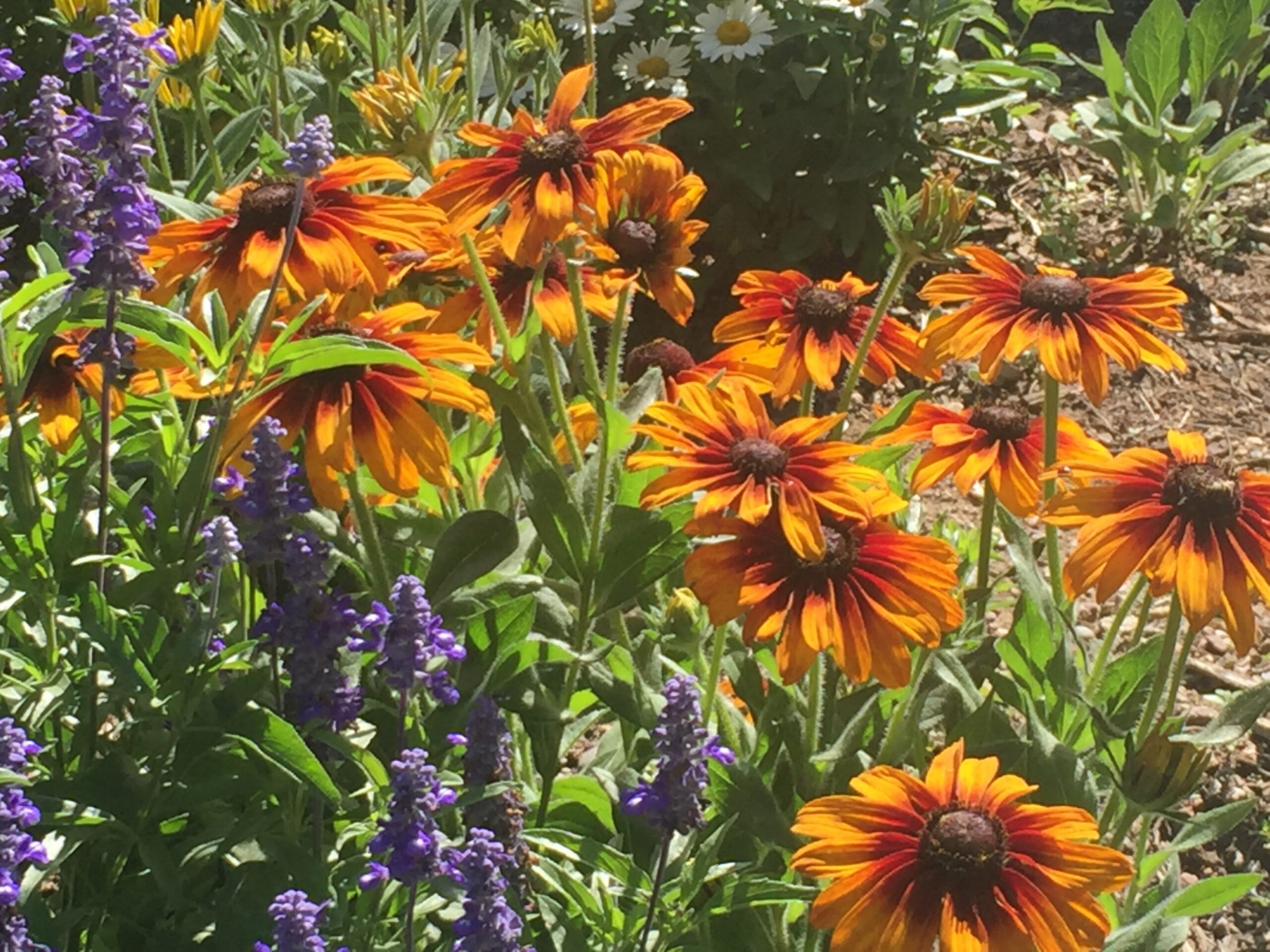
With water restrictions looming, the shift from high-water landscapes to drought-tolerant gardening has moved from a suggestion to a necessity. Adapting your garden to thrive within these new environmental boundaries is the most effective way to ensure a resilient, vibrant landscape that can withstand historic drought conditions. By integrating xeric species now, you can maintain a beautiful outdoor space while significantly reducing the ecological and financial burden of heavy water consumption.
Planting drought-tolerant species transforms a landscape into a resilient ecosystem that thrives with minimal intervention. Beyond the immediate benefit of significantly lower water bills, these plants reduce the overall demand on local reservoirs during critical shortages. Most xeric varieties are also naturally pest-resistant and require less fertilizer, leading to a lower-maintenance garden that supports local biodiversity without the environmental cost of heavy chemical use. By choosing plants adapted to arid conditions, you ensure a vibrant, living landscape that remains lush and attractive even when strict water restrictions are in place. Cheers
 By
By