Light Mode
Dark Mode
Search The Query
Search

Image

Refuge Lost

Persistent regional drought is forcing difficult environmental choices, and watching a once-lustrous garden struggle to sustain the wildlife that used to thrive in it is a clear call to action. Transforming your Zone 4 landscape into a resilient, low-water sanctuary requires shifting toward a water-wise ecological design. By prioritizing native xeric species, creating sheltered microclimates, and maintaining reliable water access, you can rebuild a thriving haven that supports local pollinators and songbirds even through severe dry spells. Cheers

Releated Posts

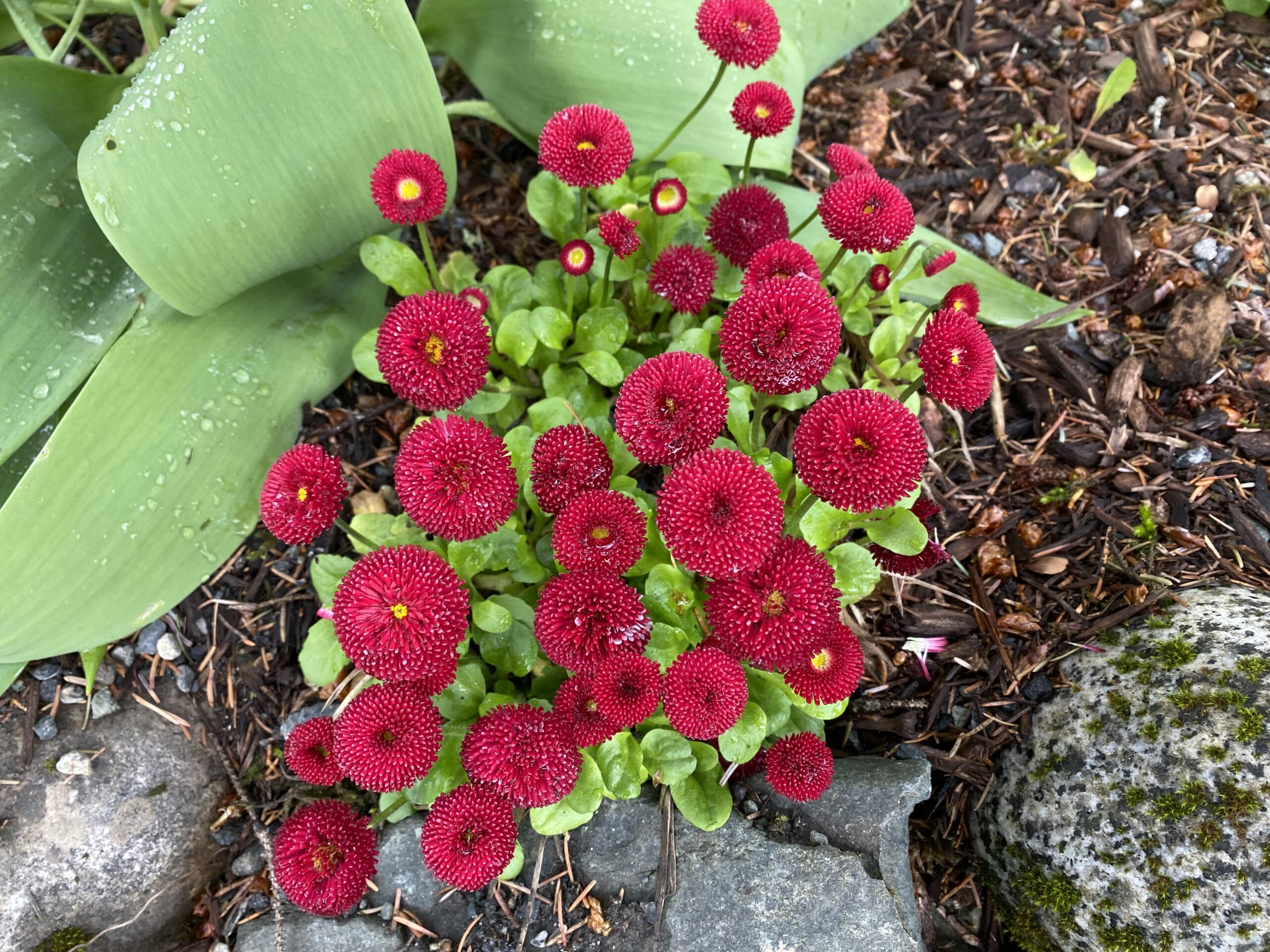
Bellis

Native to western, central, and northern Europe, as well as parts of Western Asia and Northern Africa, Bellis…

ByByzboy Aug 9, 2026

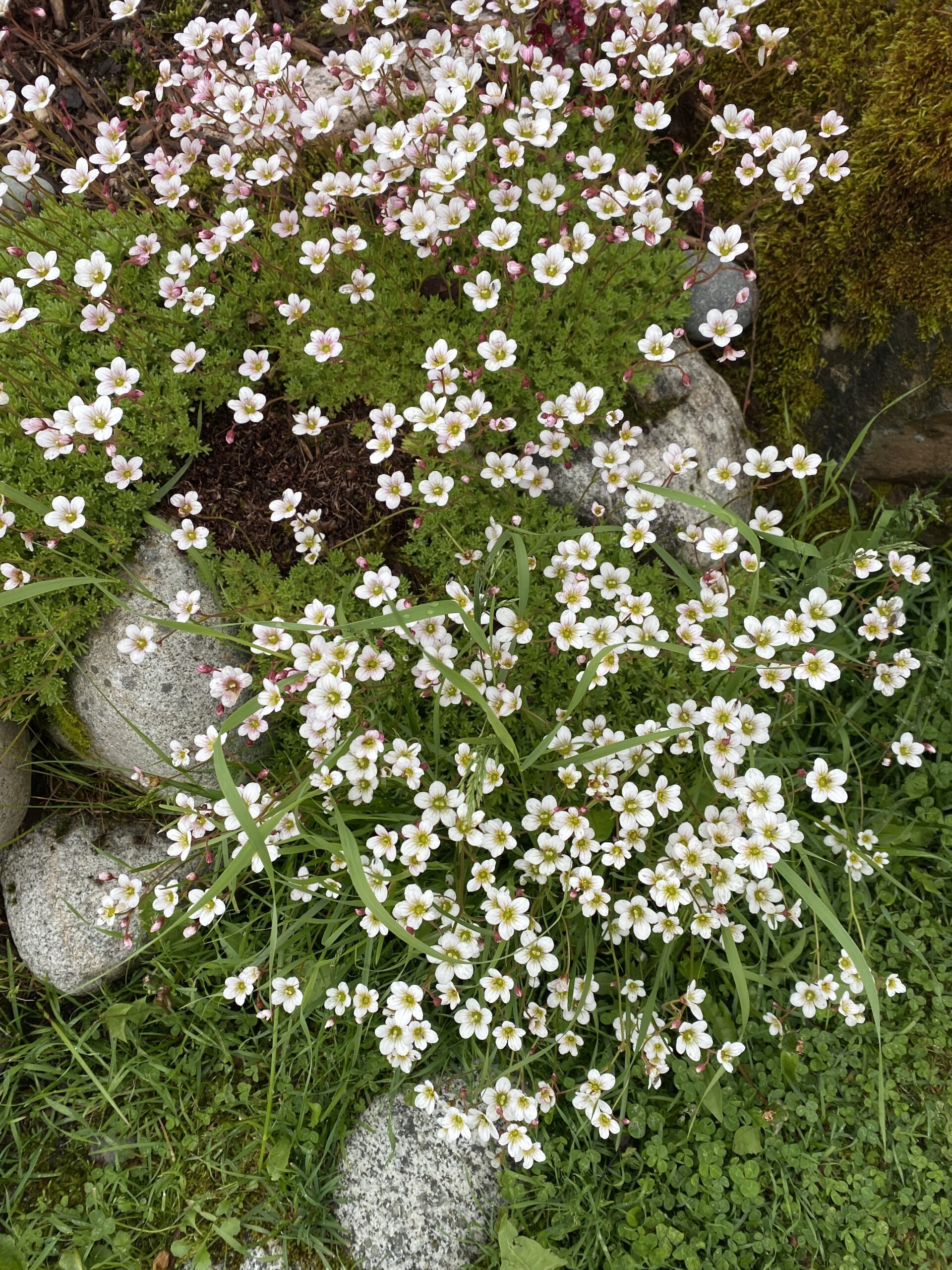
Sassy Saxifrage

Native primarily to the cold, high-altitude regions of the Northern Hemisphere, Saxifrage (genus Saxifraga, meaning “stone-breaker”) originated in…

ByByzboy Aug 2, 2026

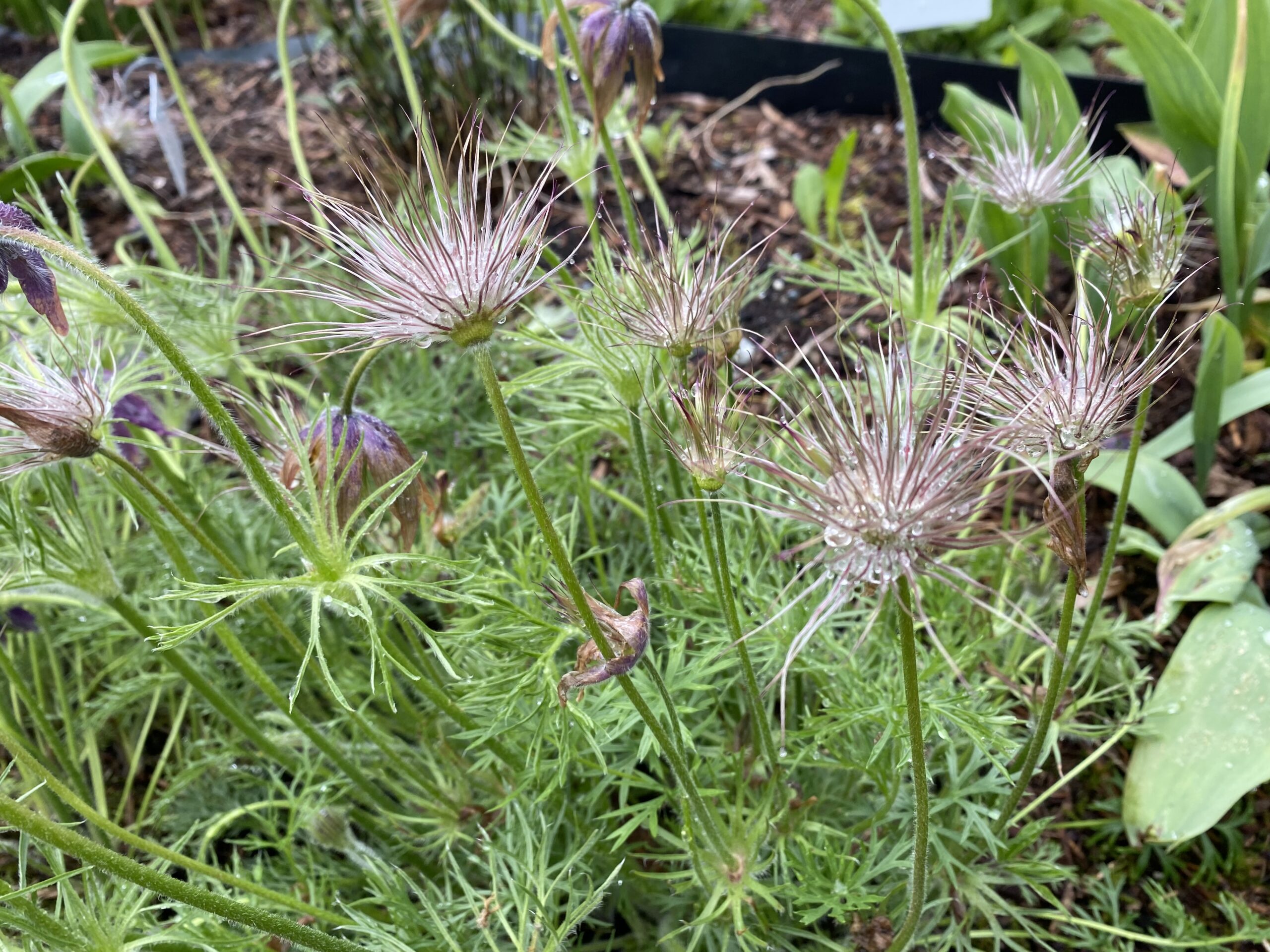
In The Meadow

Meadow anemone (Anemone canadensis), commonly known as Canada anemone, is a hardy, upright herbaceous perennial native to moist…

ByByzboy Jul 26, 2026

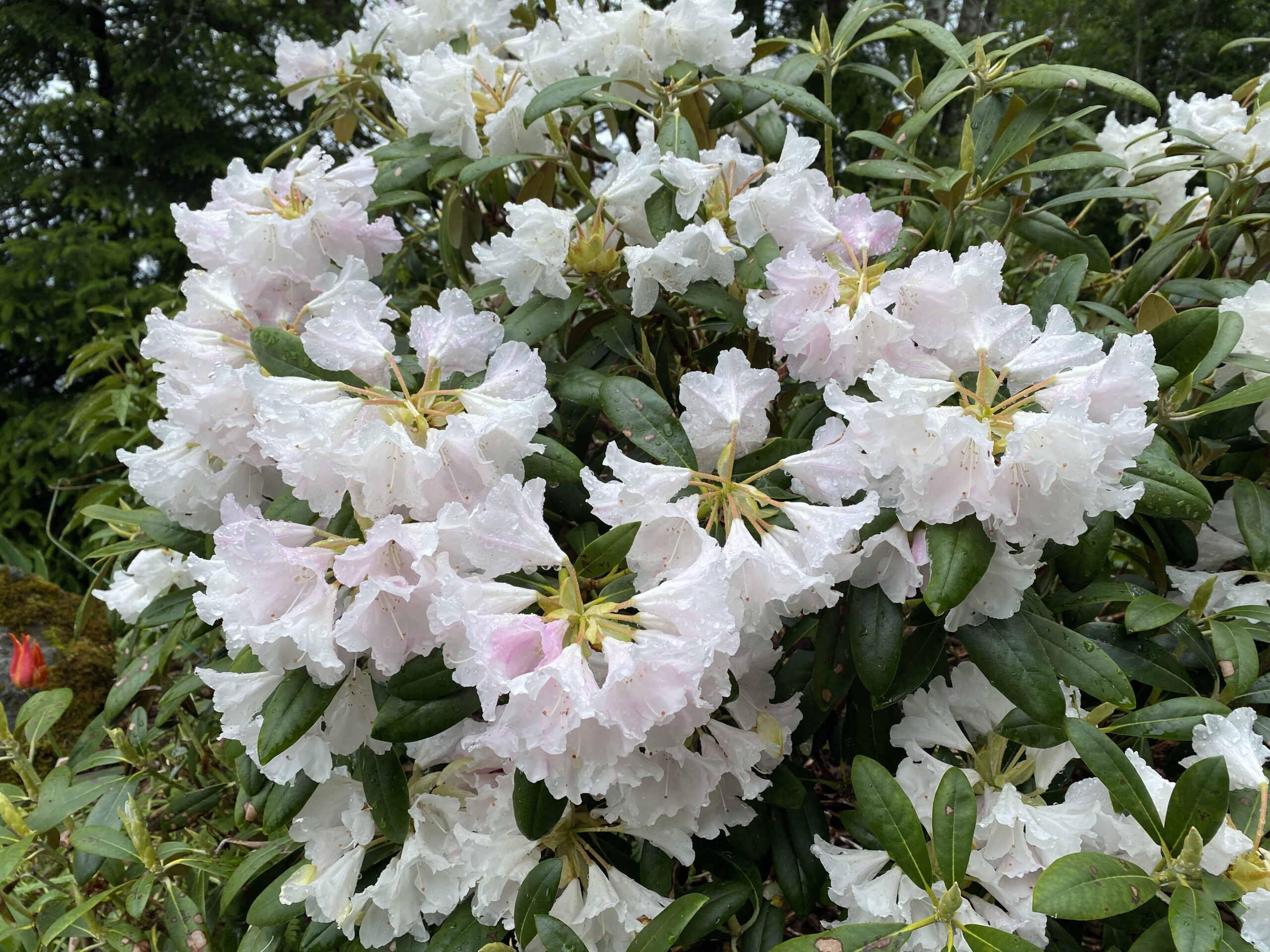
Great Laurel

Our featured flower of the month is Great Laurel. The Great Laurel (Rhododendron maximum), also known as the…

ByByzboy Jul 19, 2026
Verified by MonsterInsights