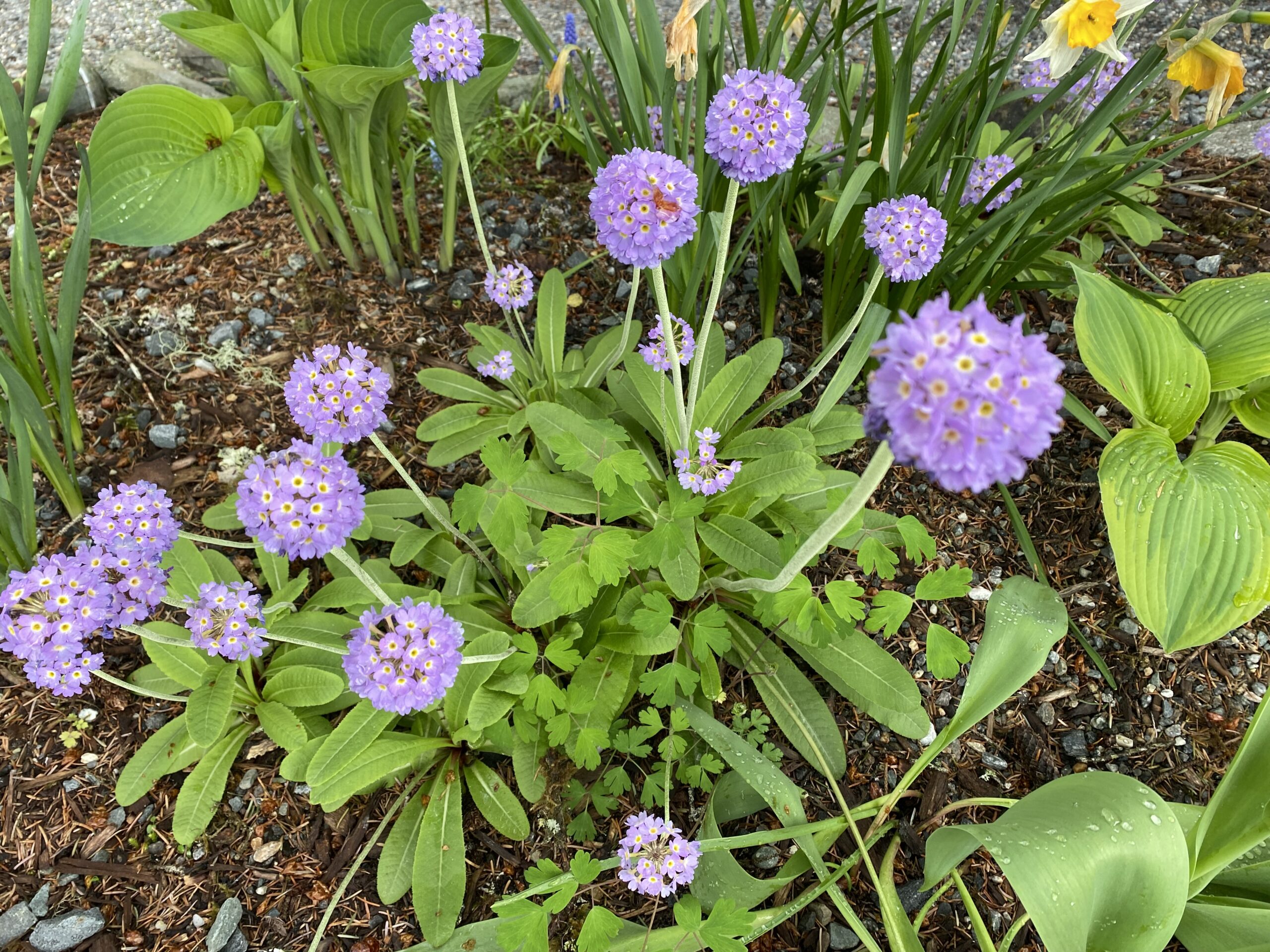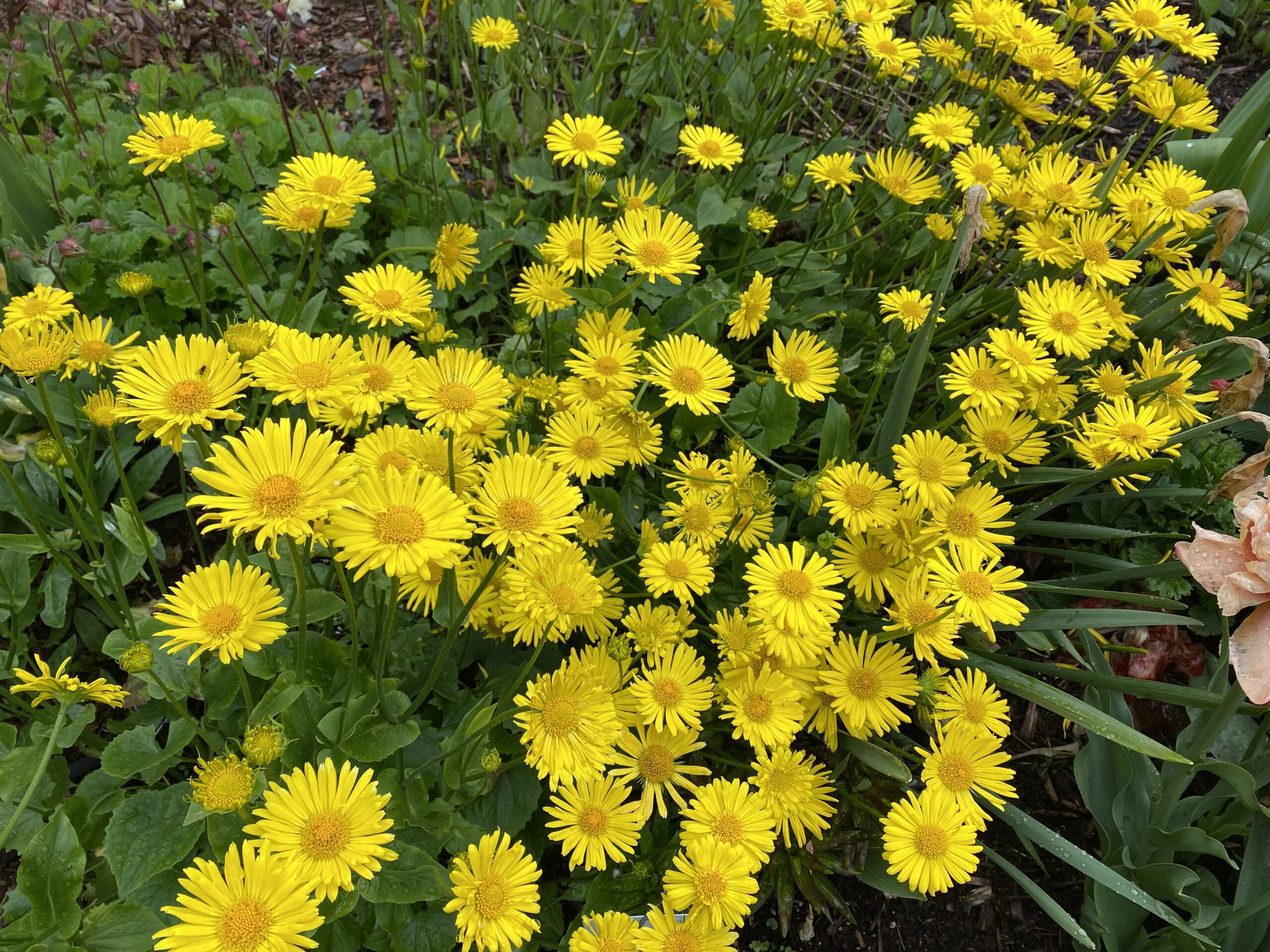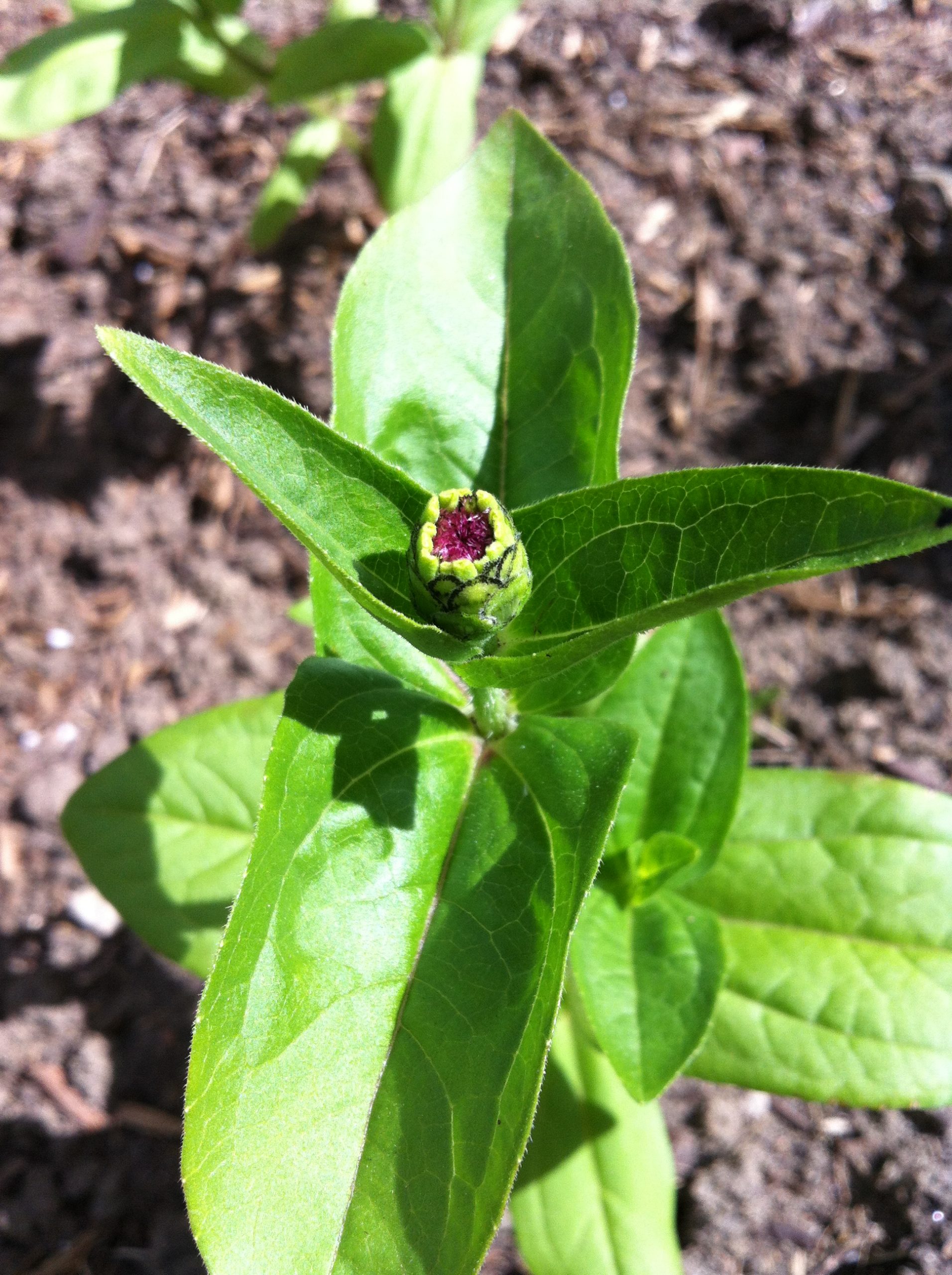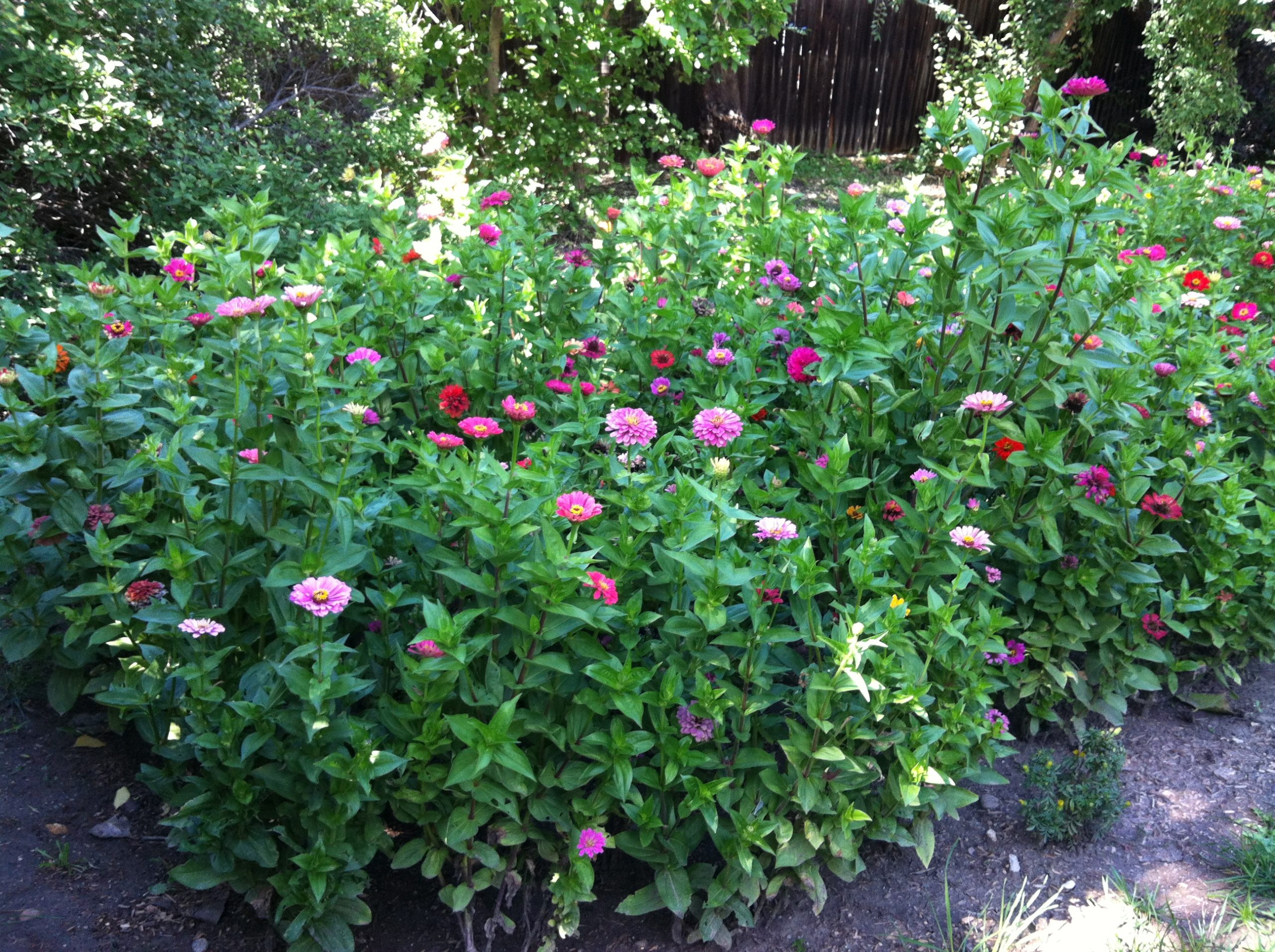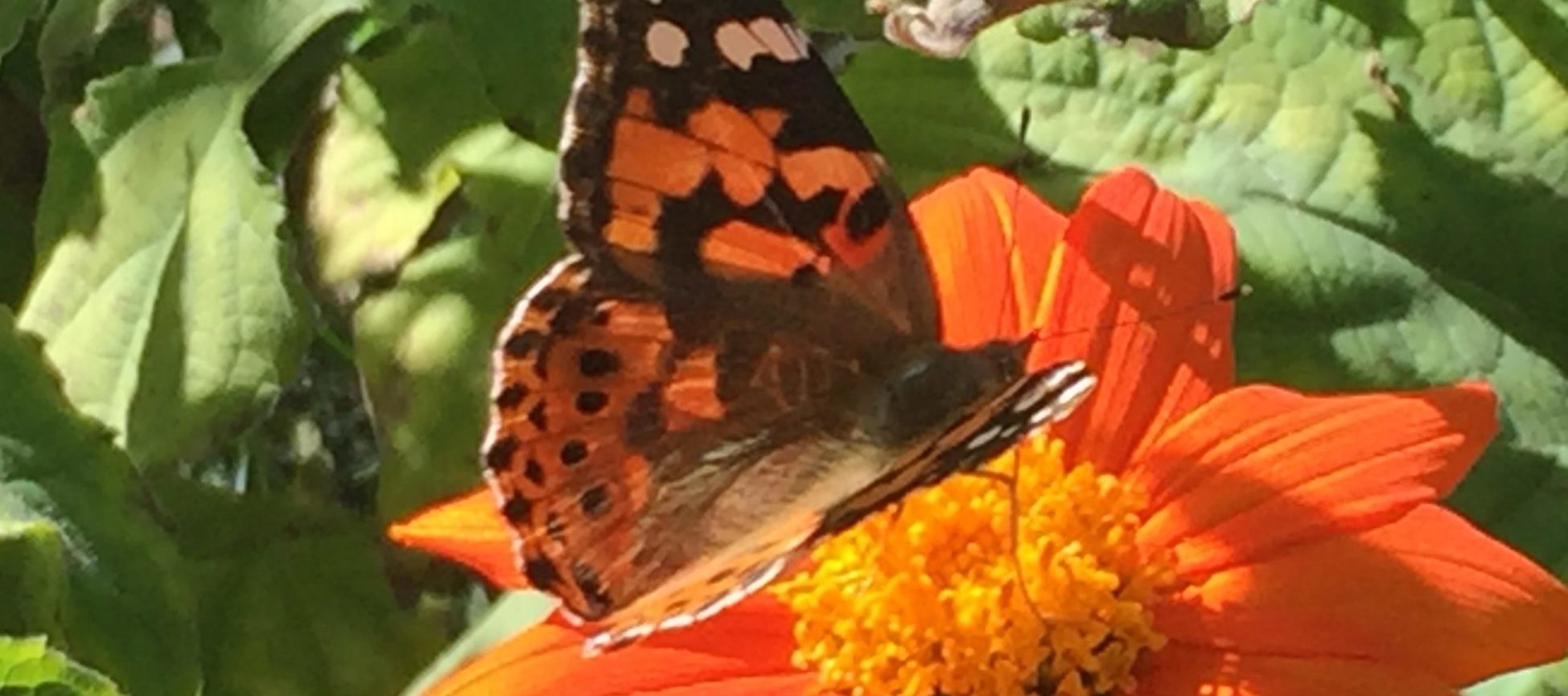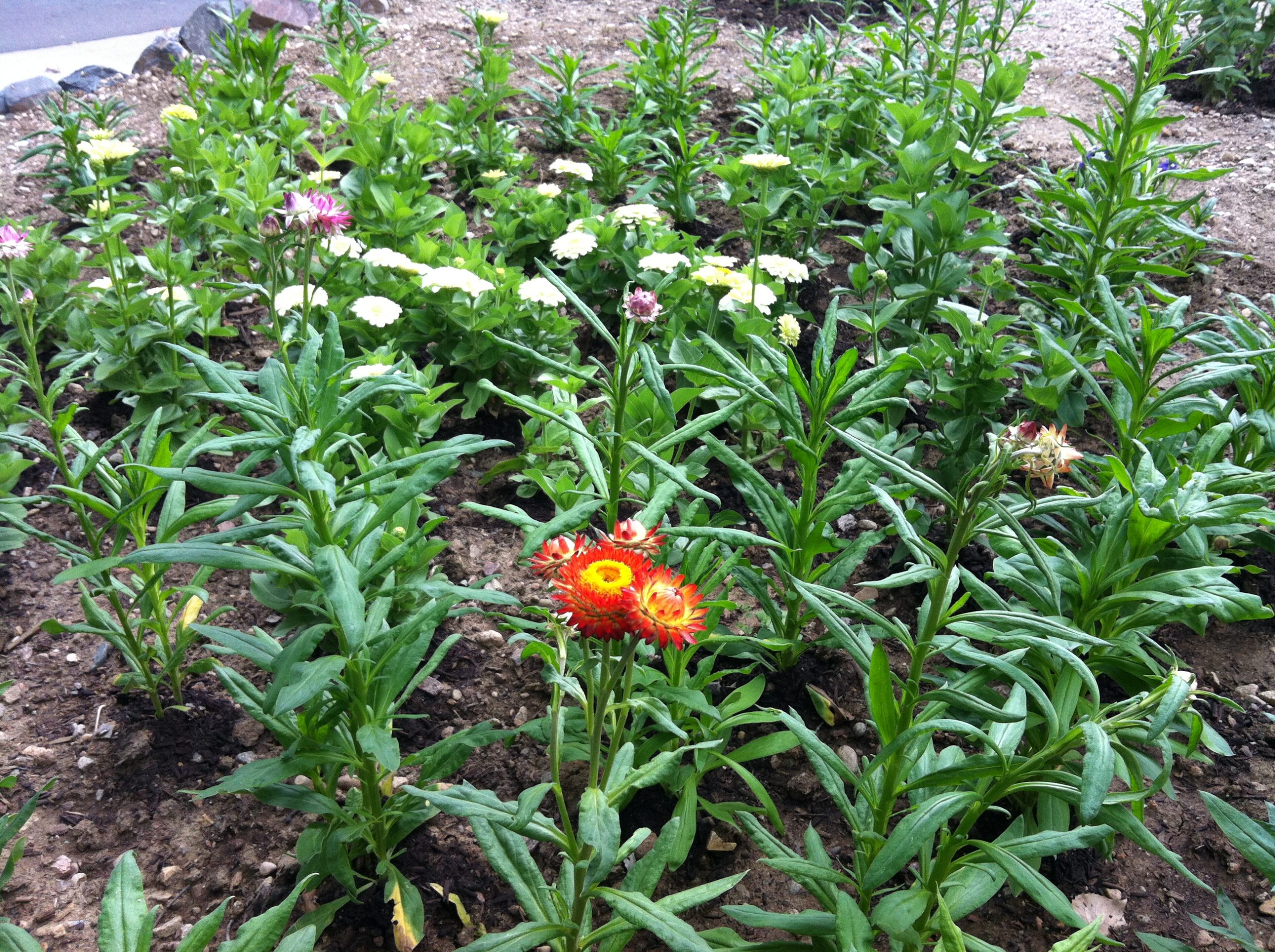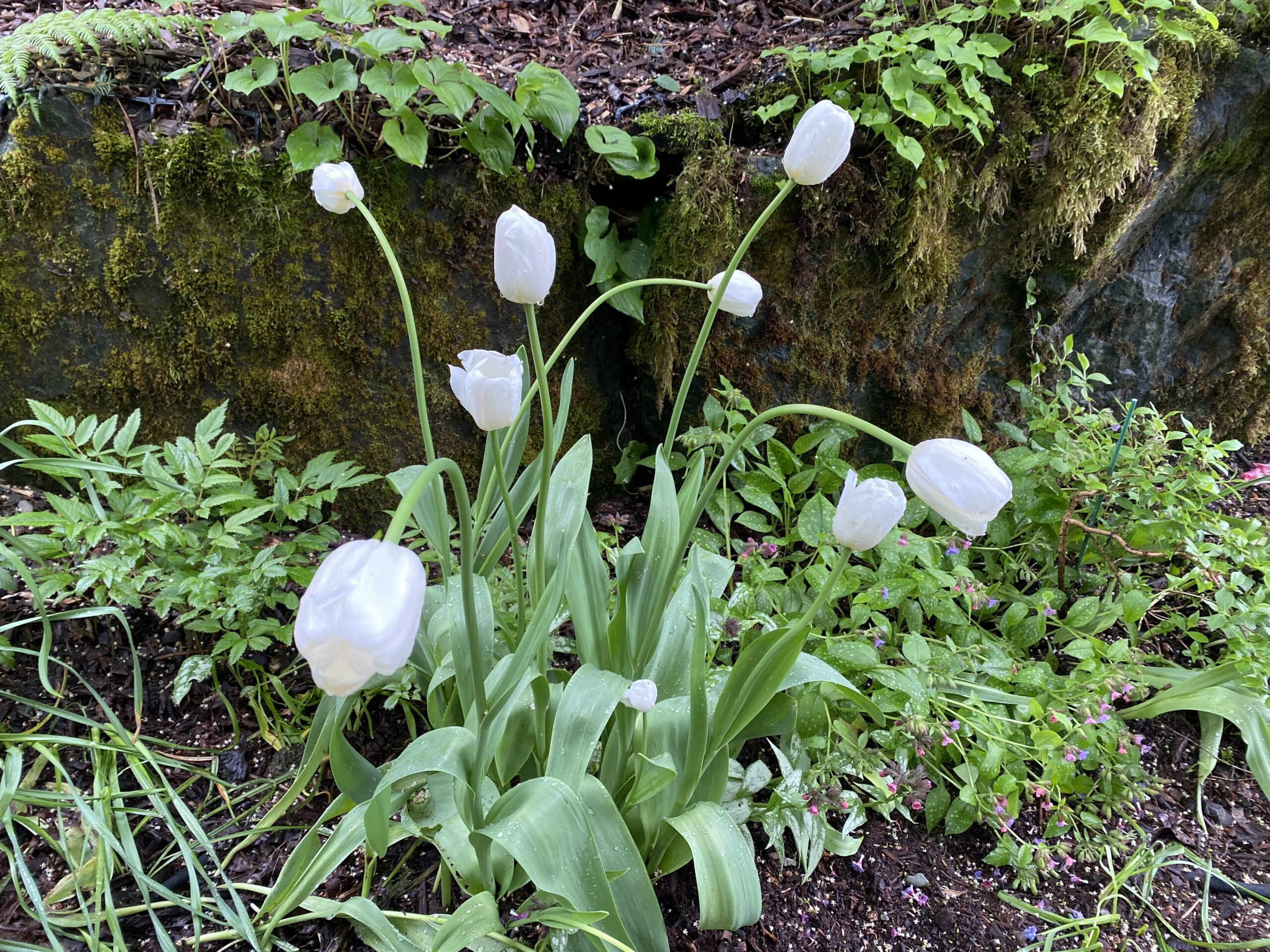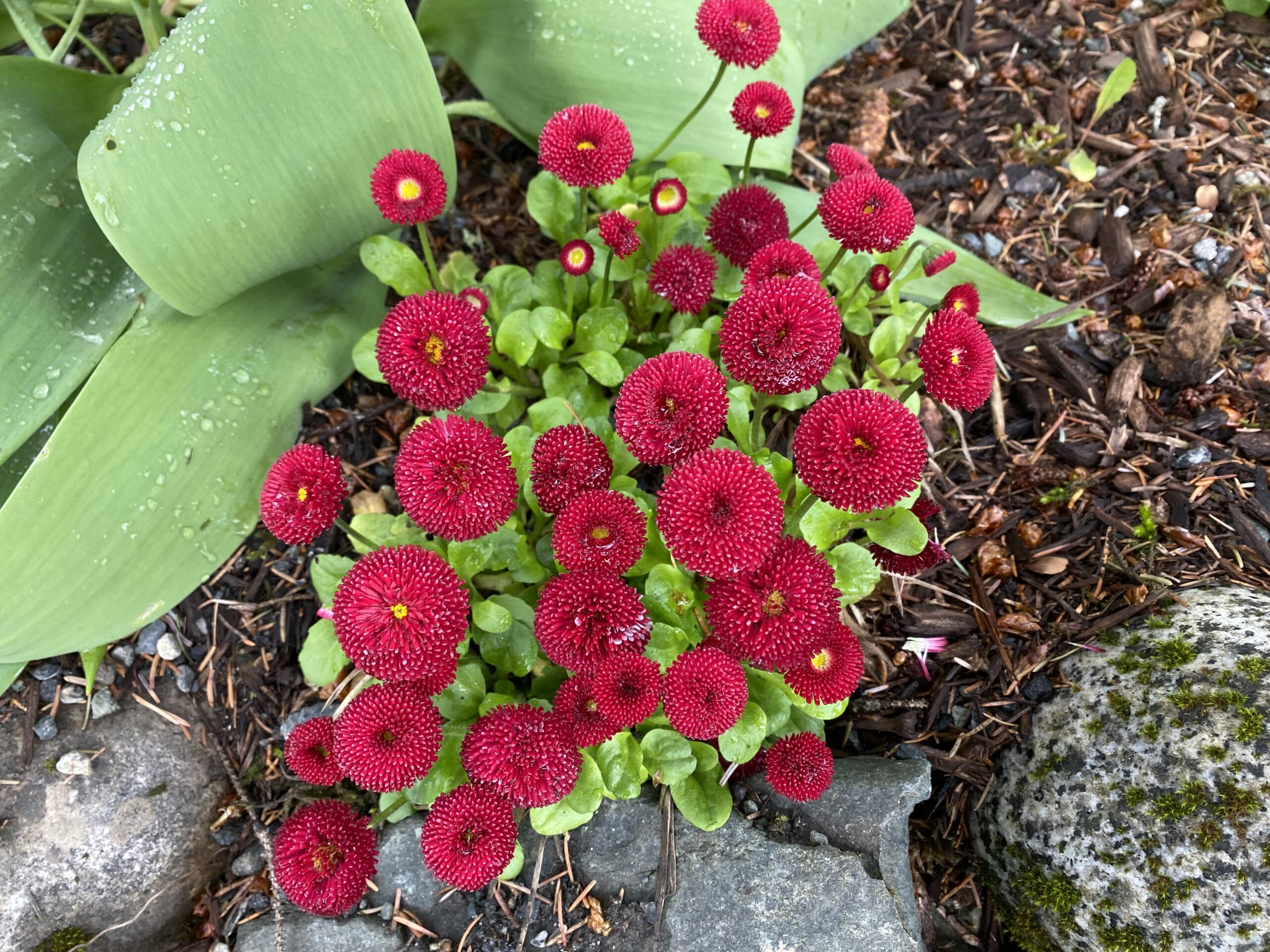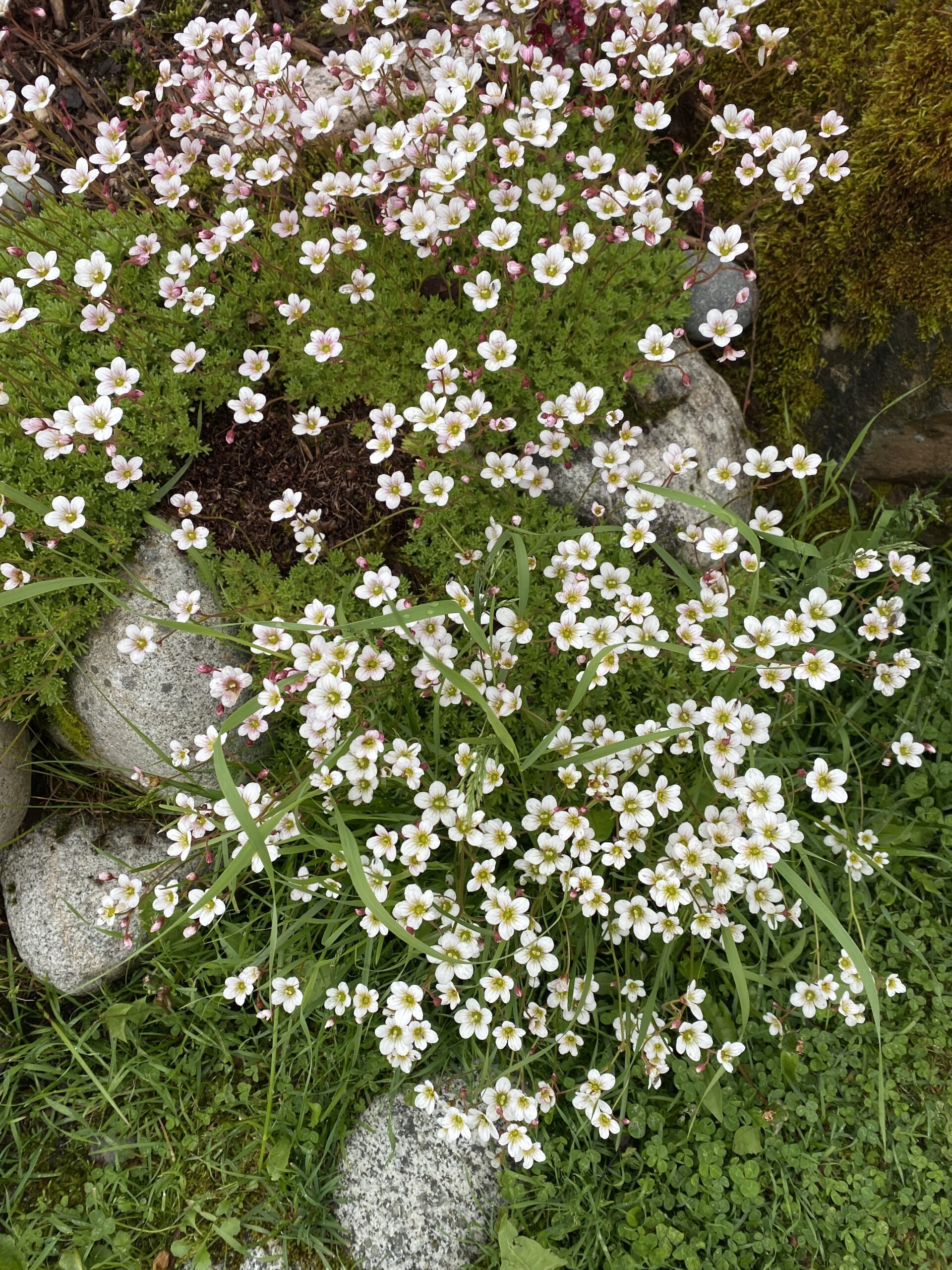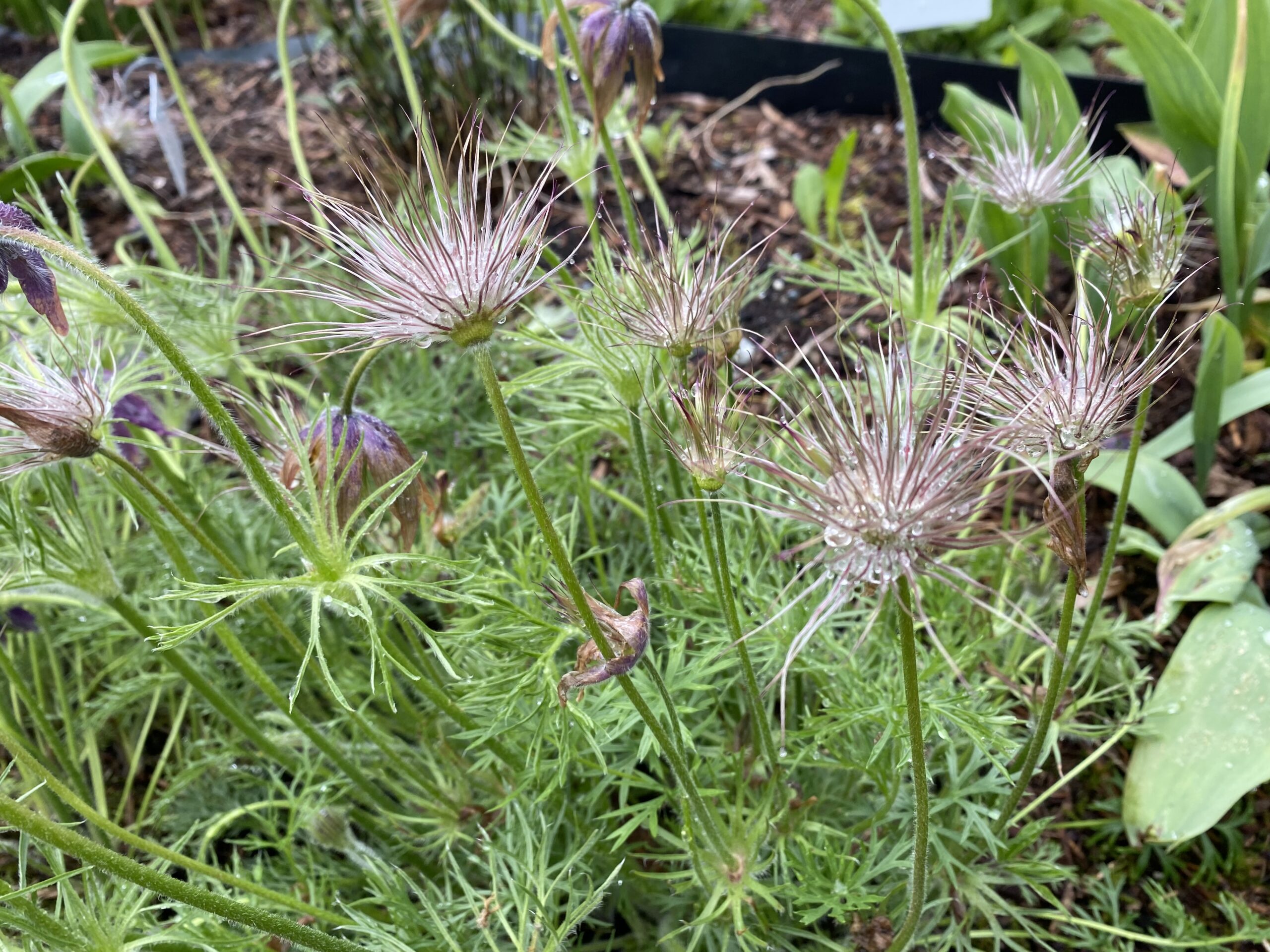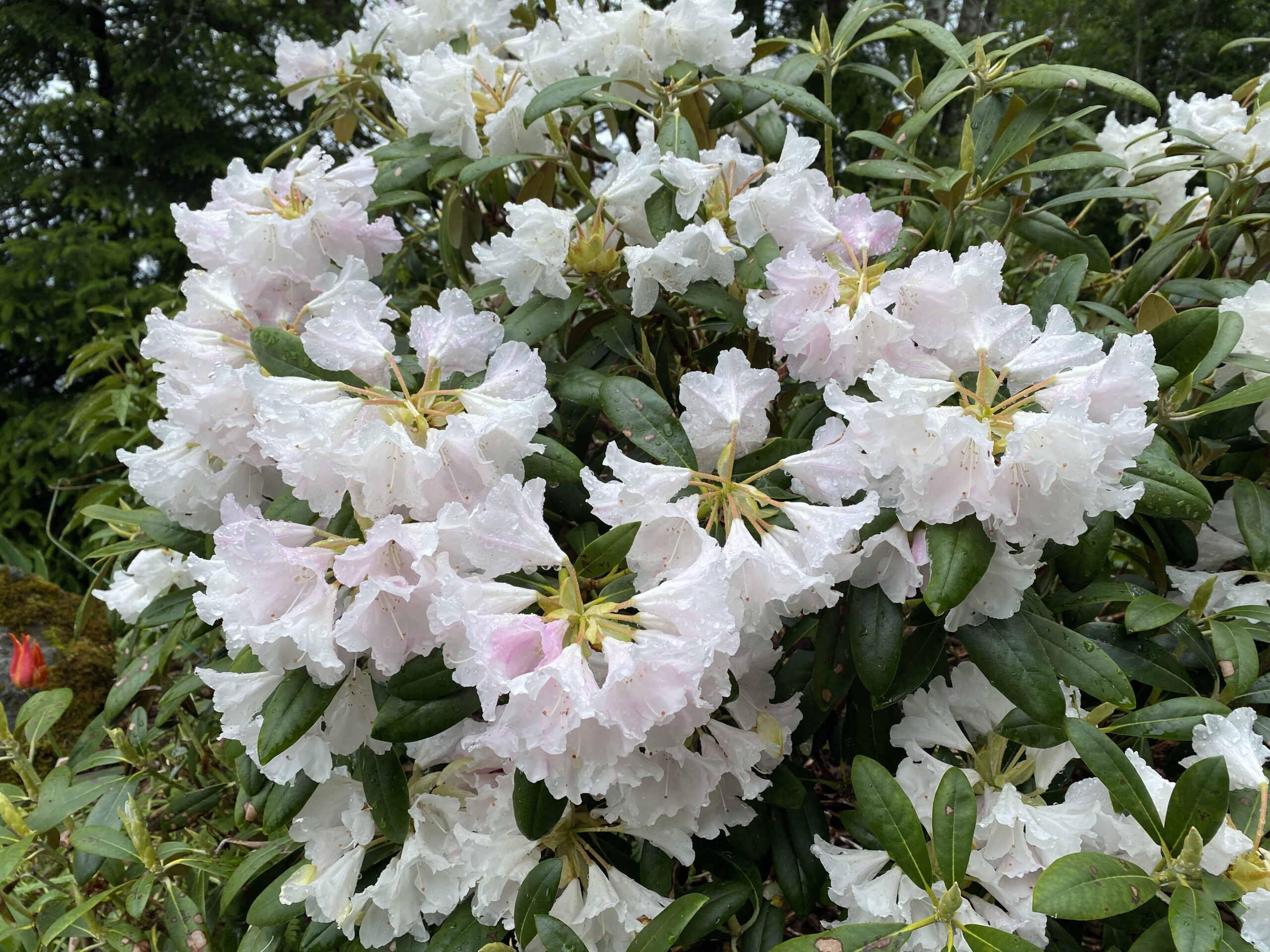
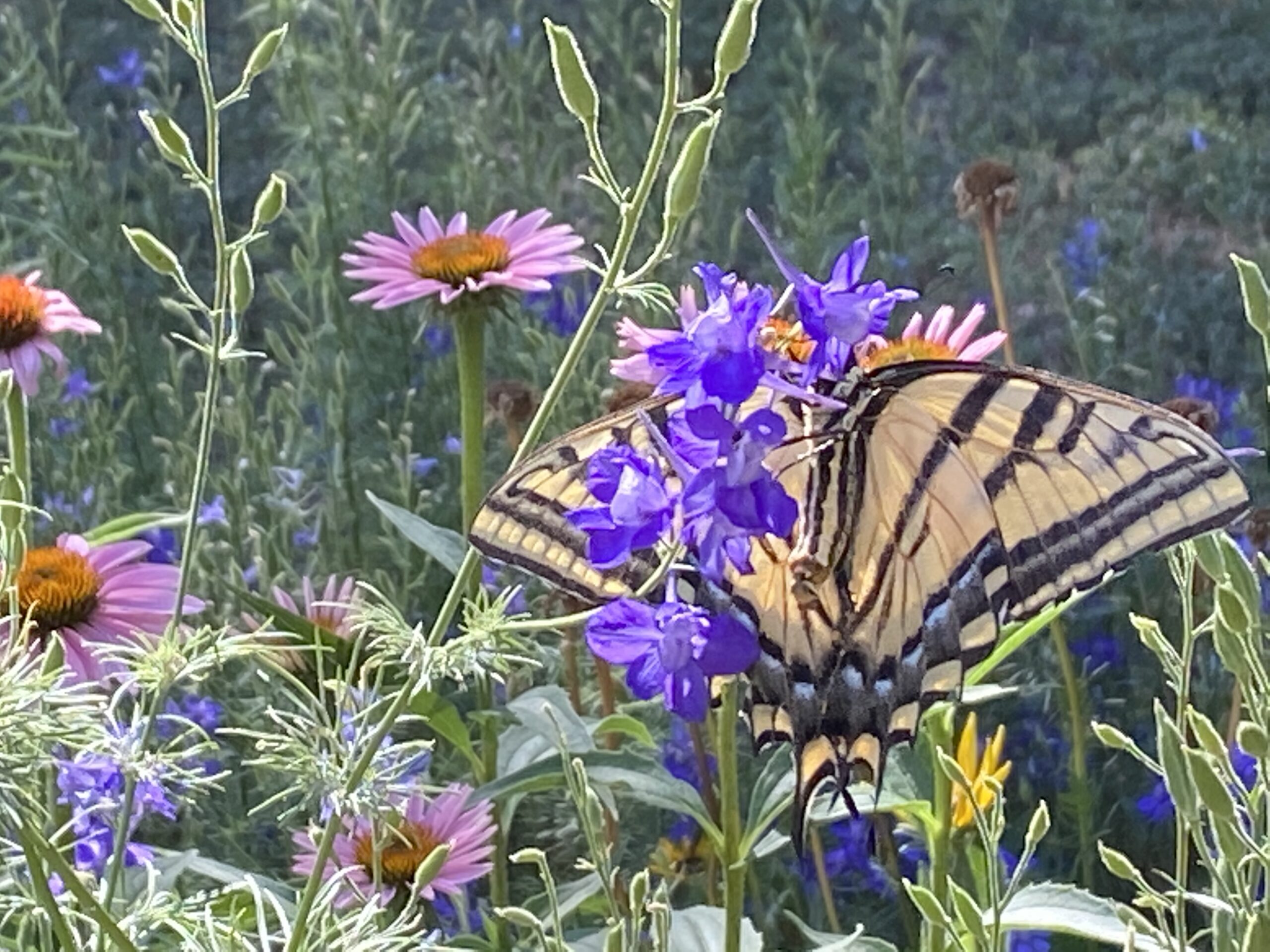
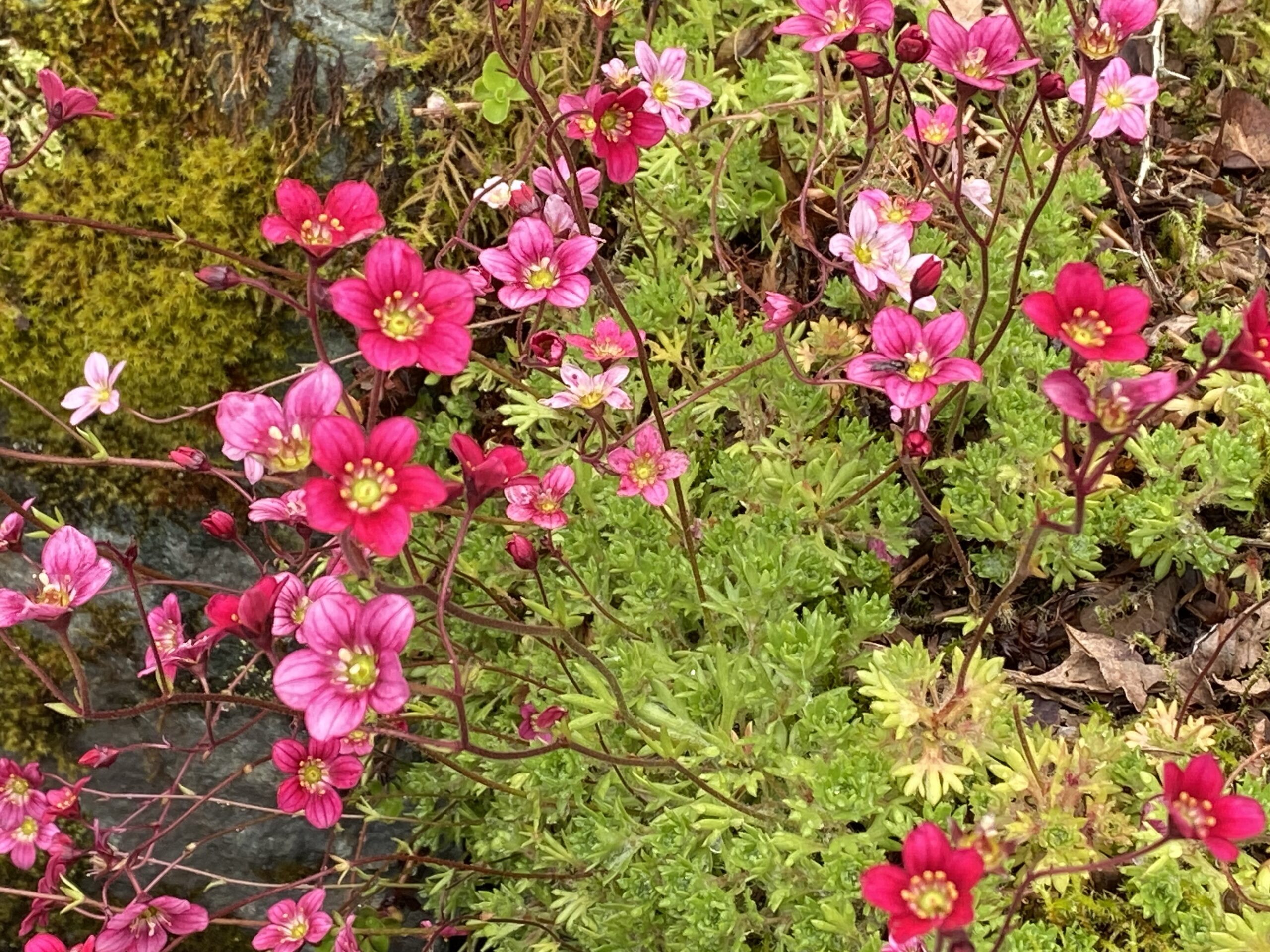
Creating a garden pollinator patch begins with selecting a diverse array of nectar and pollen-rich plants that bloom at different times throughout the growing season. Incorporating native species is particularly effective, as these plants have co-evolved with local bees, butterflies, and other beneficial insects to provide optimal nutrition. To maximize the patch’s appeal, group similar flowers together in “drifts” to make them more visible and accessible to foraging pollinators. Providing a shallow water source and leaving some patches of bare soil or hollow stems can offer essential nesting sites, ensuring the garden serves as a complete habitat rather than just a temporary food stop. Additionally, choosing a variety of flower shapes, such as tubular blooms for hummingbirds and flat-topped clusters for butterflies, ensures that a wide spectrum of species can thrive in the space. Cheers
Light Mode
Dark Mode
Search The Query
 By
By