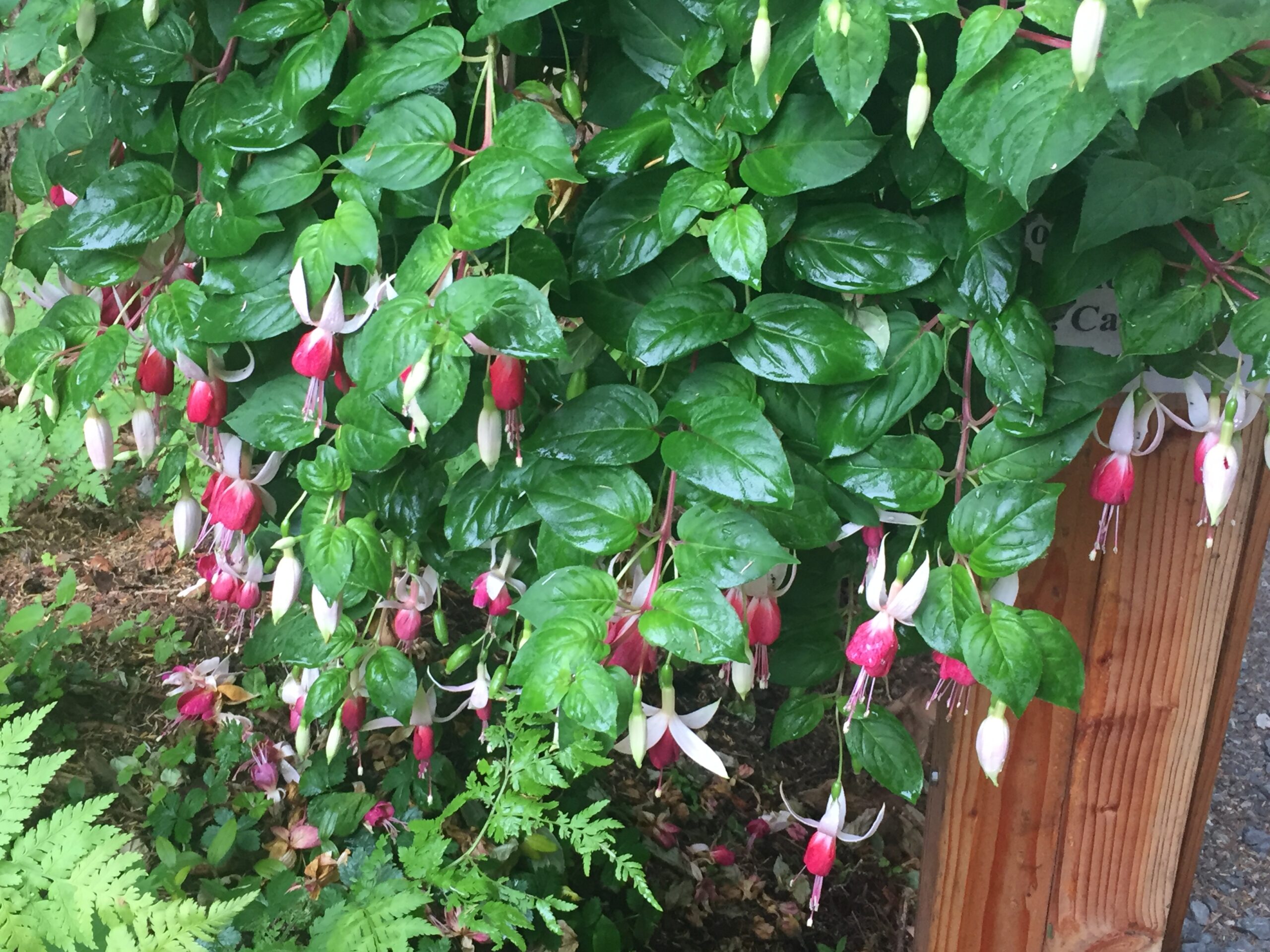
The Bleeding Heart, scientifically known as Lamprocapnos spectabilis, traces its origins to the moist woodlands of Eastern Asia, including Siberia, Northern China, Korea, and Japan. It gained widespread popularity in the West after being brought to England in the 1840s by the plant explorer Robert Fortune. In terms of cultivation, this perennial thrives in cool, temperate climates and prefers the dappled shade of a woodland setting. It requires moist, humus-rich soil that drains well to prevent root rot. Because the plant is ephemeral, it typically puts on a brilliant display of heart-shaped flowers in late spring before going dormant and disappearing underground during the heat of midsummer. Gardeners often plant it alongside late-emerging perennials to mask the yellowing foliage as it enters its seasonal rest. Cheers
Light Mode
Dark Mode
Search The Query
 By
By