Light Mode
Dark Mode
Search The Query
Search

The Future Looks Bright

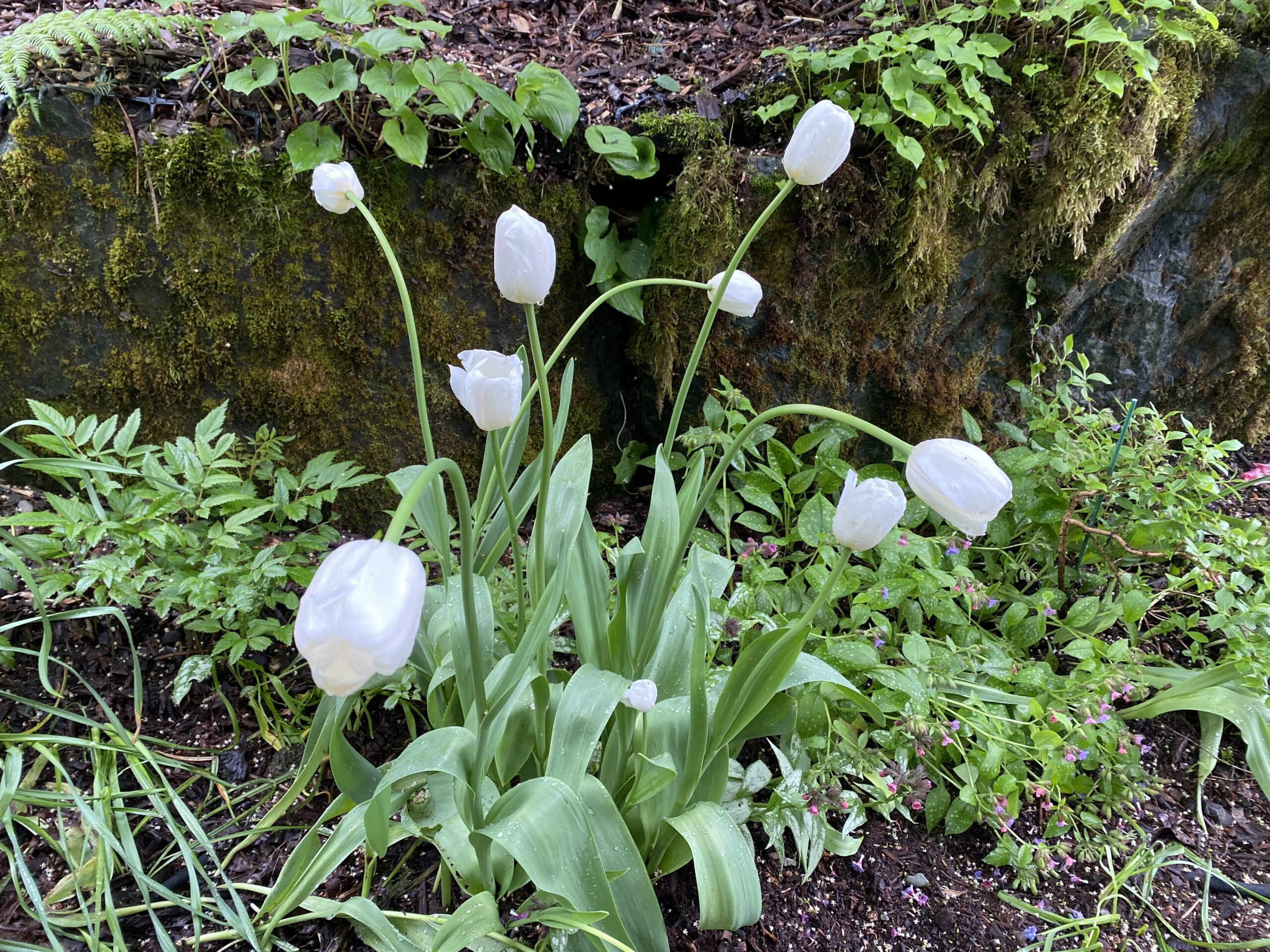
For successful fall bulb planting, well-drained soil is essential to prevent waterlogging and rot. The ideal soil should be loose, fertile, and free of large rocks, with a neutral pH. Organic matter or compost can be added to improve soil quality. It’s also important to ensure the soil temperature is below 60°F before planting, as this chilling period is crucial for spring blooms. Proper planting depth and spacing are equally important to give each bulb the best start for a vibrant display come spring. Cheers
Releated Posts

Lately

What have you done lately to help the environment? Individuals can meaningfully protect the environment through intentional daily…

ByByzboy Aug 23, 2026

Refuge Lost

Persistent regional drought is forcing difficult environmental choices, and watching a once-lustrous garden struggle to sustain the wildlife…

ByByzboy Aug 16, 2026

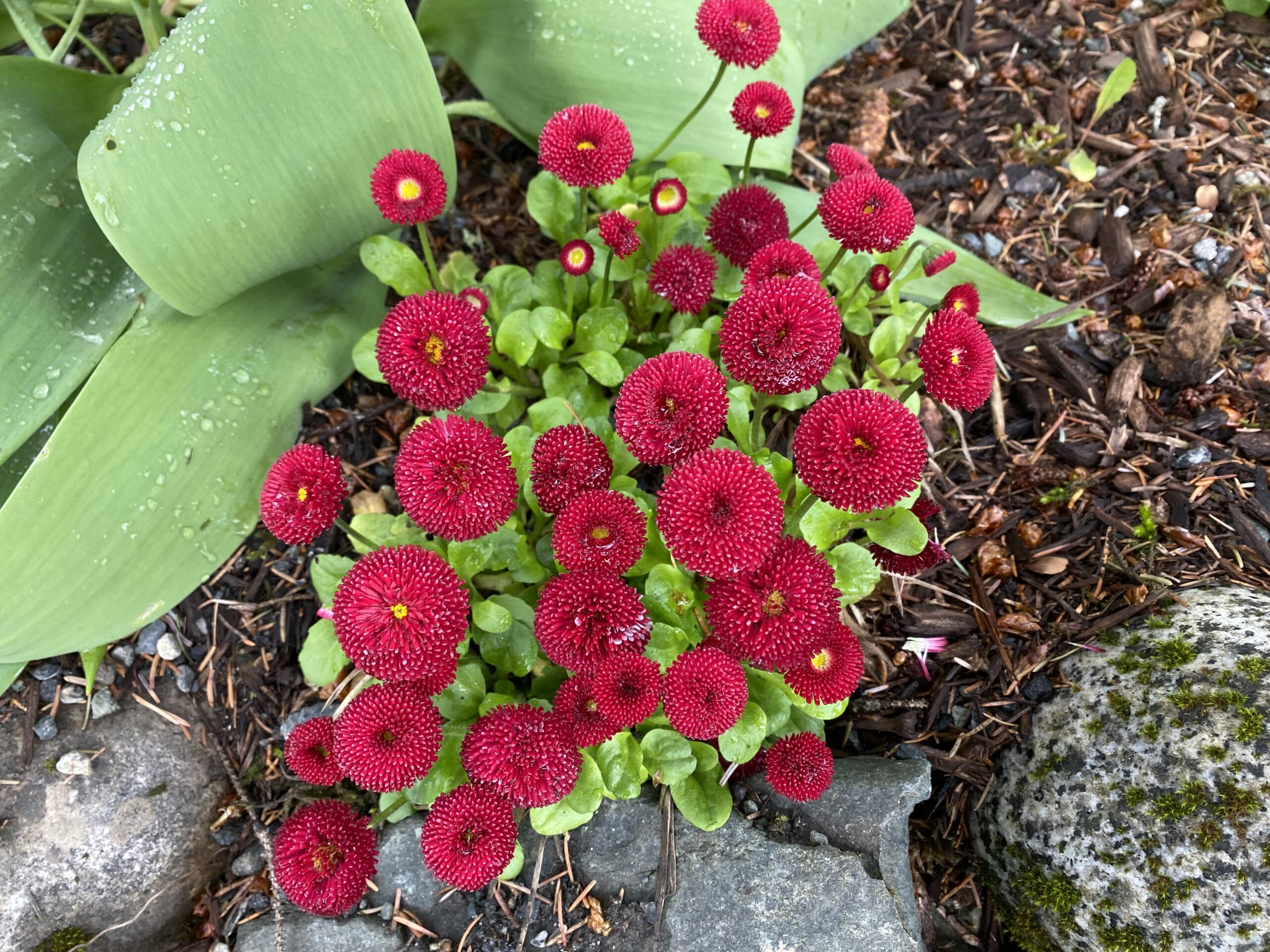
Bellis

Native to western, central, and northern Europe, as well as parts of Western Asia and Northern Africa, Bellis…

ByByzboy Aug 9, 2026

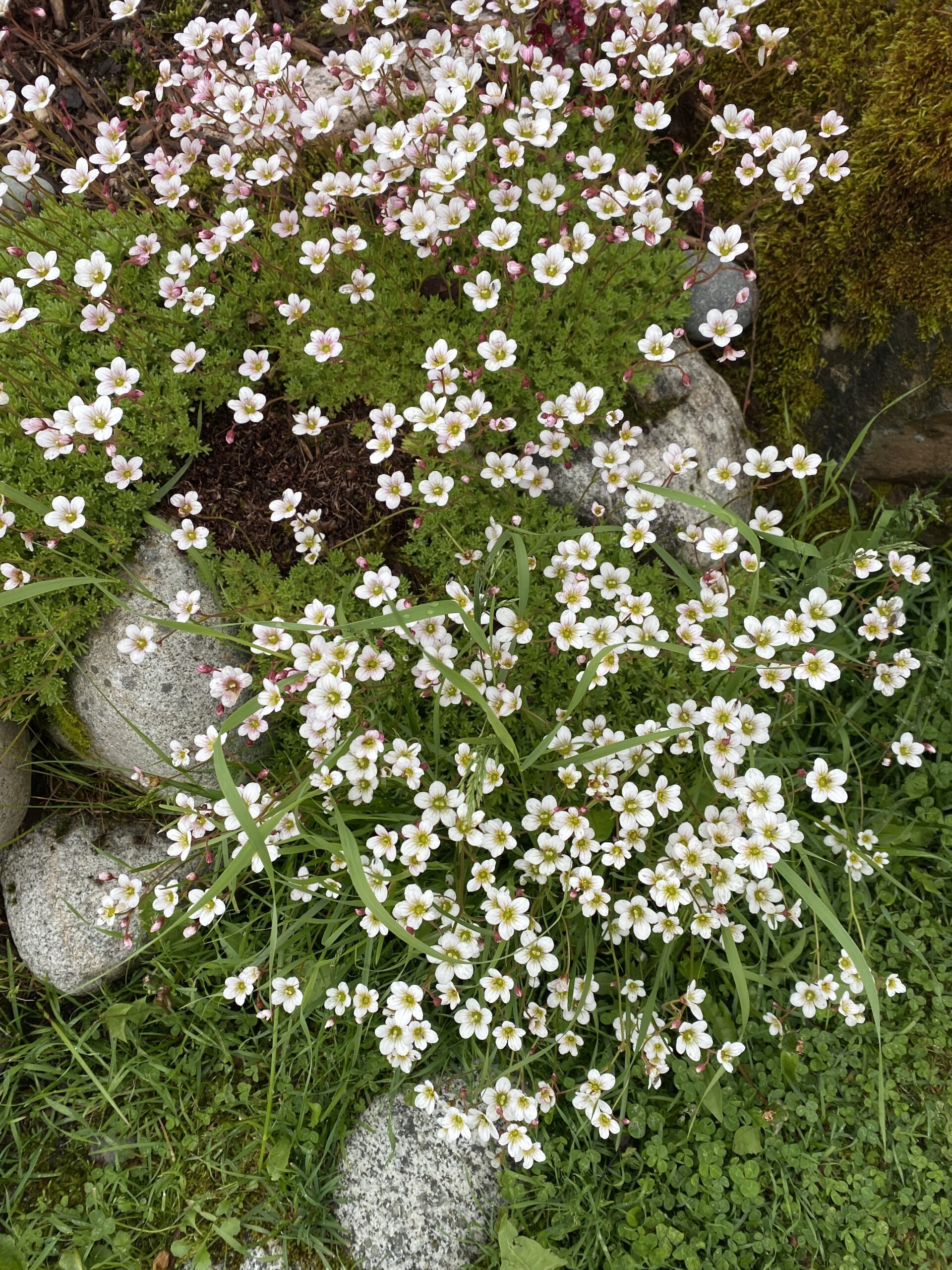
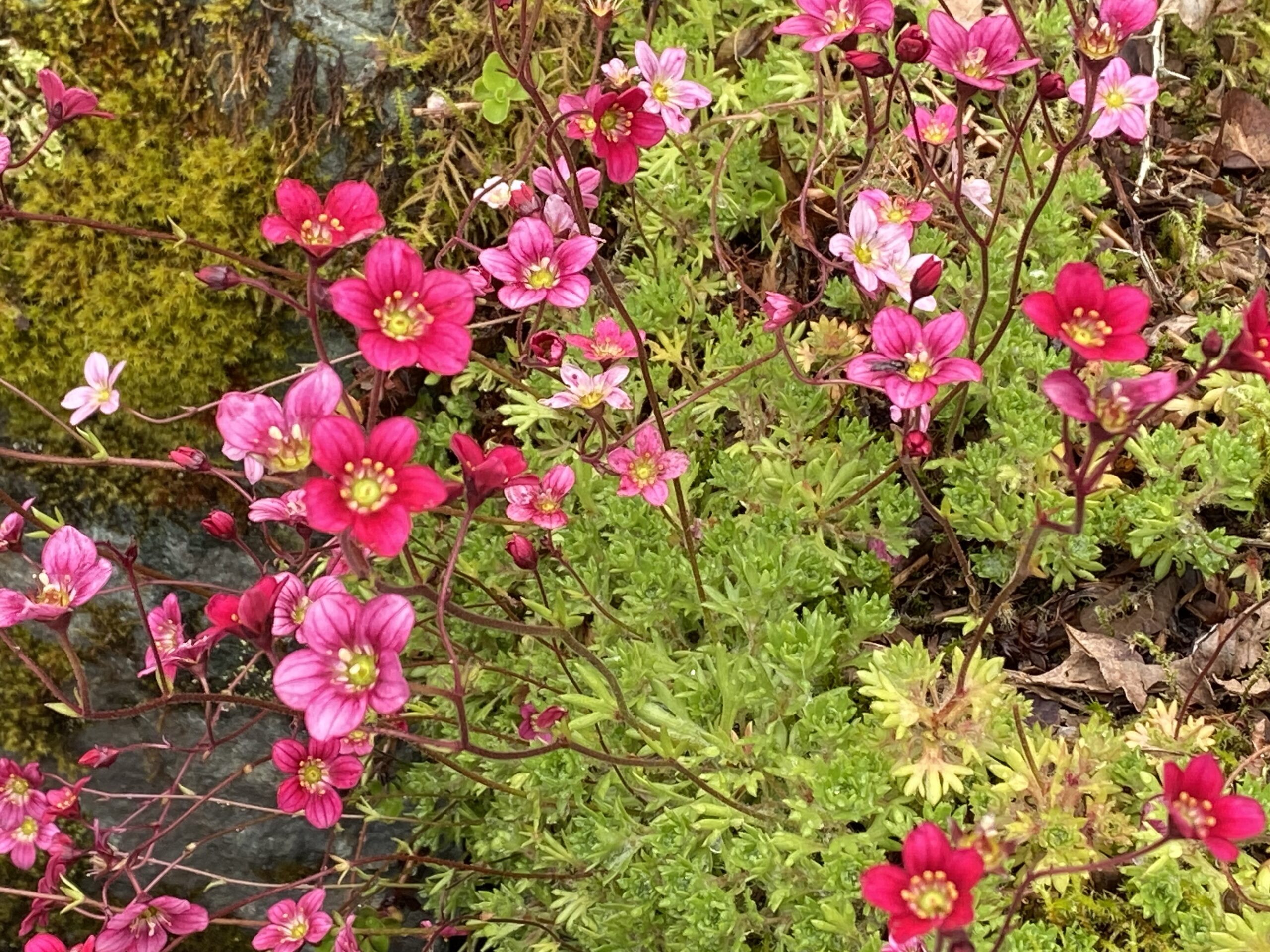
Sassy Saxifrage

Native primarily to the cold, high-altitude regions of the Northern Hemisphere, Saxifrage (genus Saxifraga, meaning “stone-breaker”) originated in…

ByByzboy Aug 2, 2026
Verified by MonsterInsights