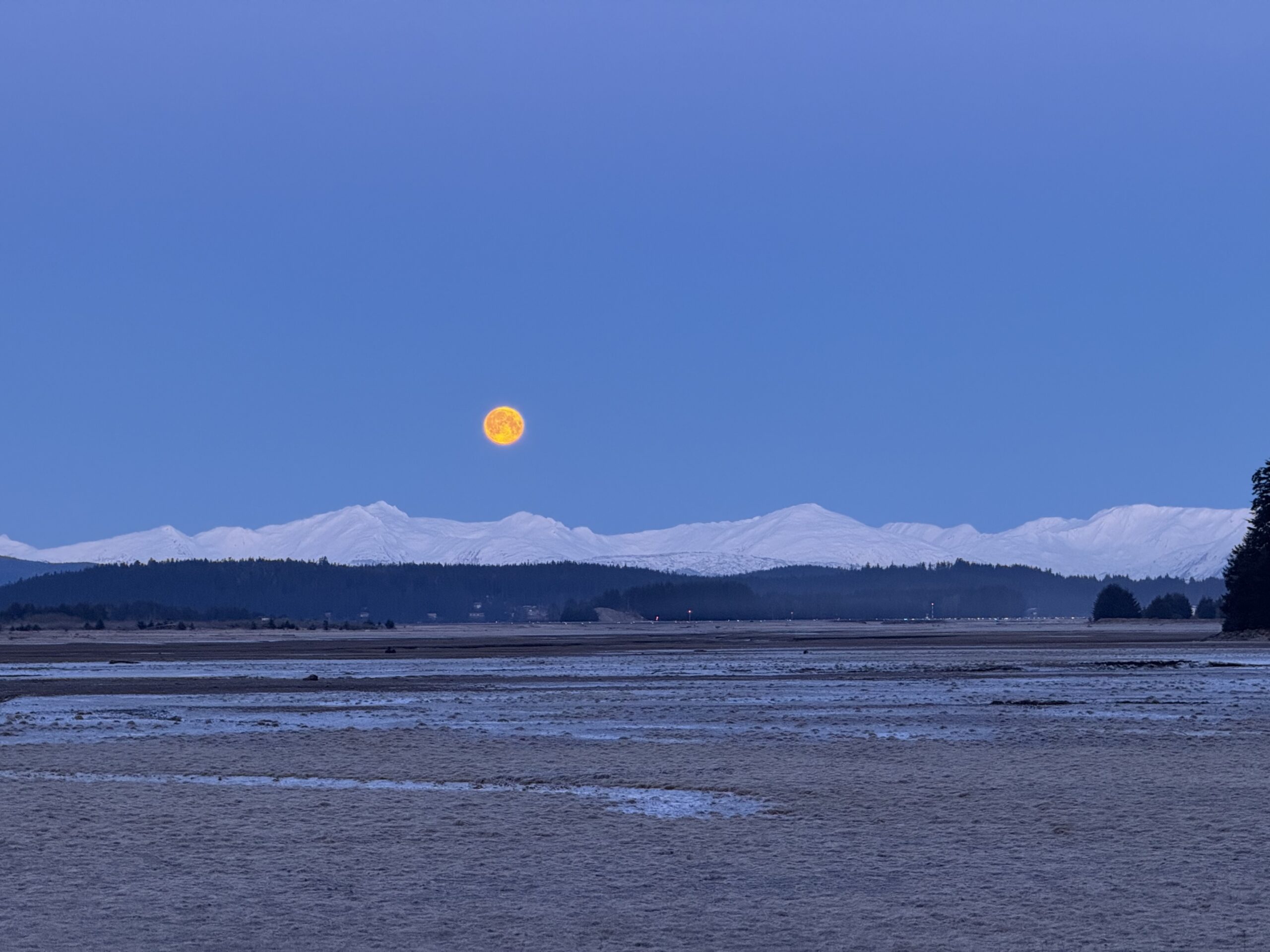
While traditional folklore and “lunar gardening” calendars suggest that moonlight and the lunar cycle influence moisture pull, seed germination, and sap movement, scientific consensus indicates that actual moonlight plays a very minor direct role in plant development. Moonlight reflects sunlight at such low intensity—far below the threshold required for photosynthesis—that it generally cannot drive vegetative growth. However, modern cellular research shows that certain plants perceive moonlight as a light signal or mild stressor, triggering subtle changes in gene expression, circadian rhythms, and nighttime floral blooms without drastically altering overall yield. Ultimately, while following lunar phases can serve as a helpful, structured schedule for gardeners, conventional environmental factors like sunlight, temperature, soil health, and consistent watering remain the primary drivers of plant success. Cheers
Light Mode
Dark Mode
Search The Query
 By
By