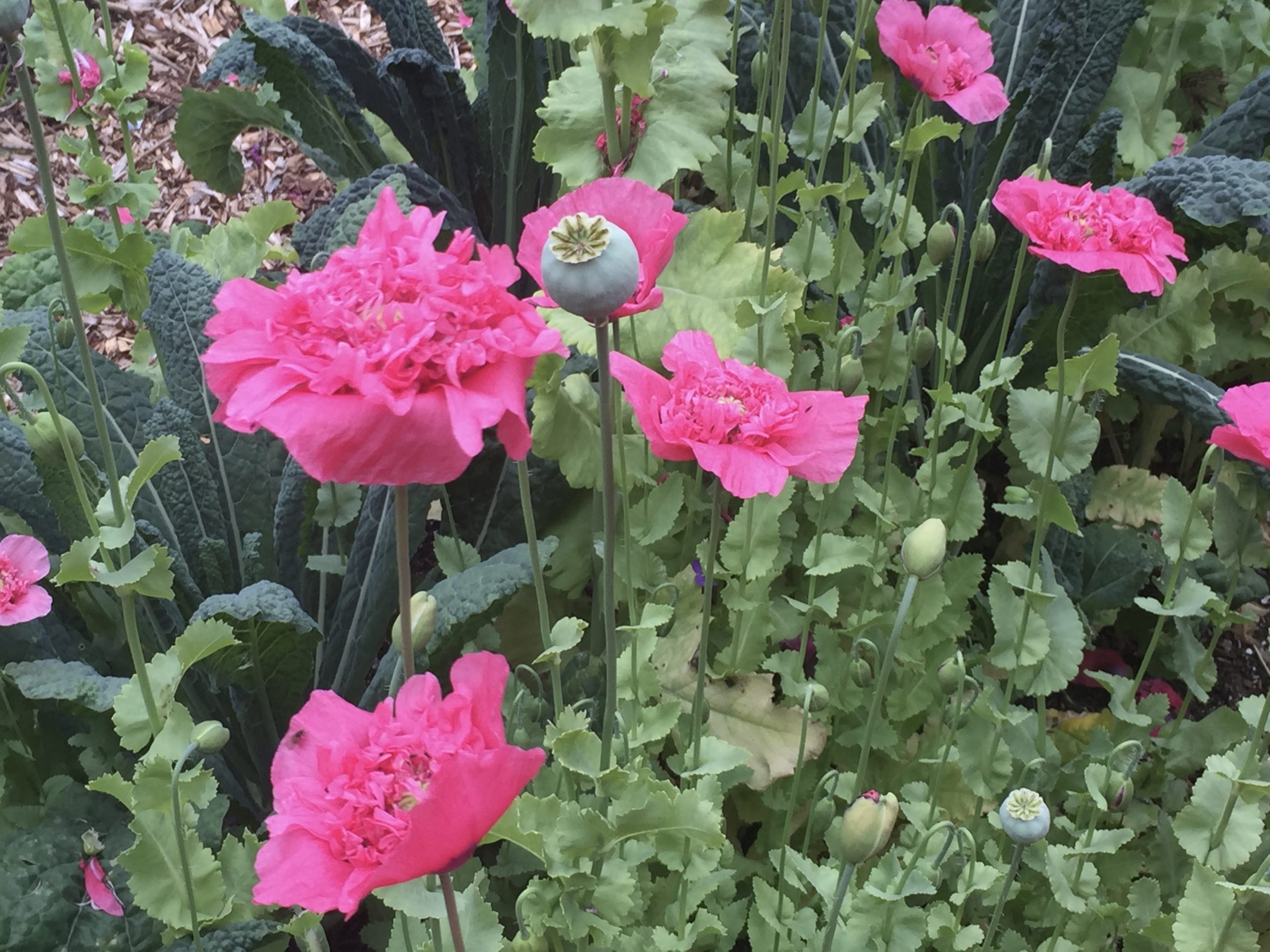
Poppies have a rich history intertwined with human culture for thousands of years. The opium poppy (*Papaver somniferum*) is believed to have originated in the eastern Mediterranean region, spreading through ancient trade routes to Asia, Europe, and beyond. They were highly valued by ancient civilizations like the Sumerians, Egyptians, and Greeks for their medicinal properties, as well as for their symbolic and ornamental significance.
Poppies are relatively easy to cultivate, thriving in well-drained soil and sunny locations. They are usually sown directly into the ground as seeds, which require exposure to light to germinate. The plants are hardy and can adapt to various climates, but they tend to prefer temperate regions. Cultivators often associate poppies with their vibrant, delicate blooms, though certain varieties, like the opium poppy, are also grown for their alkaloid content used in medicine.
These flowers remain a cultural and agricultural symbol, embodying beauty, remembrance, and historical significance. Cheers
 By
By