Light Mode
Dark Mode
Search The Query
Search

The Future Looks Bright

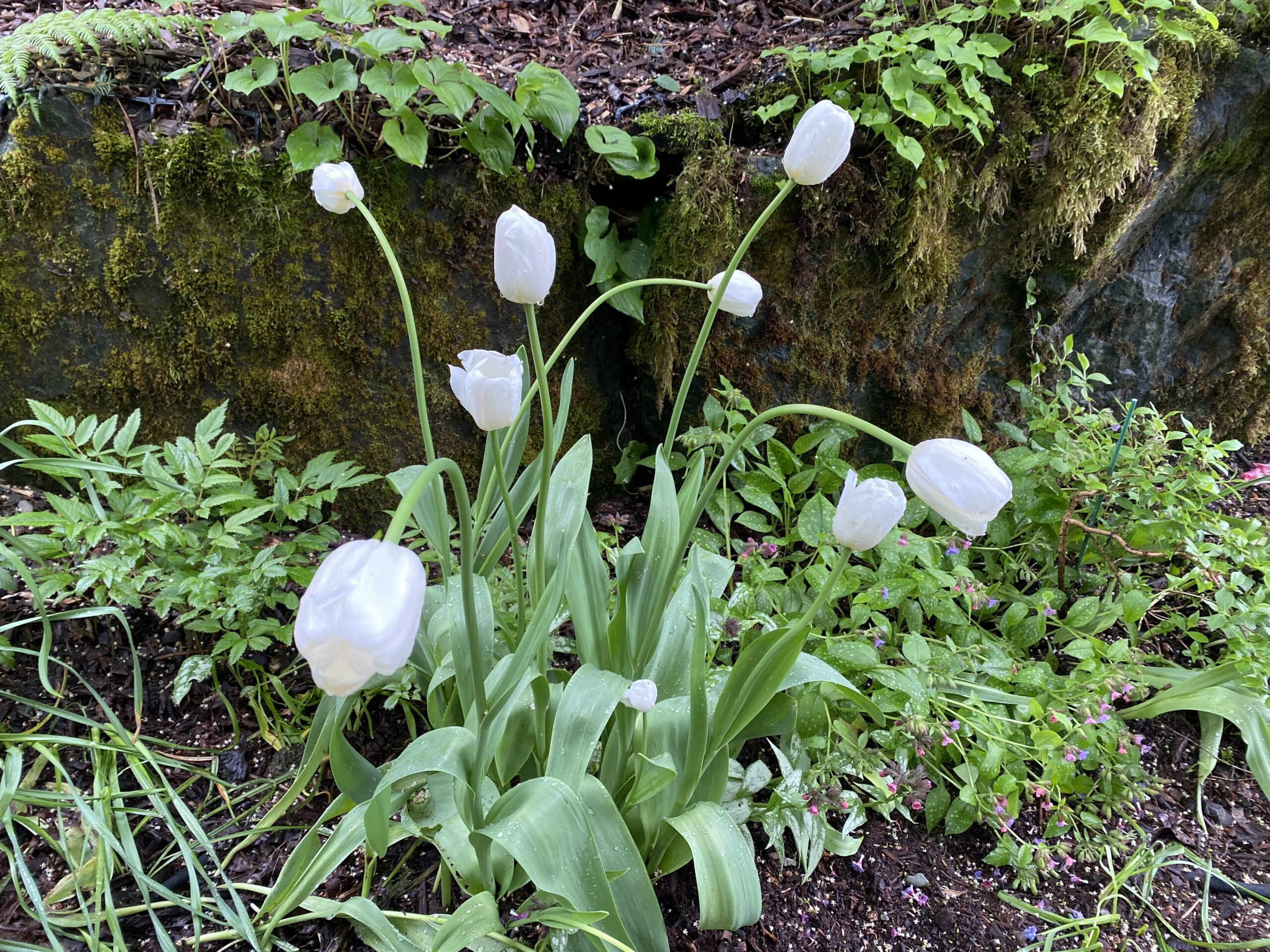
For successful fall bulb planting, well-drained soil is essential to prevent waterlogging and rot. The ideal soil should be loose, fertile, and free of large rocks, with a neutral pH. Organic matter or compost can be added to improve soil quality. It’s also important to ensure the soil temperature is below 60°F before planting, as this chilling period is crucial for spring blooms. Proper planting depth and spacing are equally important to give each bulb the best start for a vibrant display come spring. Cheers
Releated Posts

Salmonberry

Salmonberries, or Rubus spectabilis, are native to the west coast of North America, ranging from the moist coastal…

ByByzboy May 10, 2026

Patch It Up

Creating a garden pollinator patch begins with selecting a diverse array of nectar and pollen-rich plants that bloom…

ByByzboy May 3, 2026

Reliable

Our featured flower of the month is Salvia. The Salvia genus, part of the mint family, has ancient roots spanning…

ByByzboy Apr 26, 2026

Water Garden

A water garden serves as a multifaceted sanctuary that enhances the ecological and aesthetic value of a landscape.…

ByByzboy Apr 20, 2026
Verified by MonsterInsights